Iceland floats near the North Pole, a land of fire and ice where the summer sun never sets. With fewer than 3 people per square kilometer, travelers feel small and humble here: a plain pit may hide a bubbling mud pot, and a green pasture can turn into a lava field overnight. Geysers burst from the ground, and a whiff of sulfur, the very smell of the world’s beginning, hangs over this island Jules Verne pictured as the gateway to hell. This wild land, which drew the Vikings in the late 9th century, sits naturally within Europe, from fjords to volcanoes.
Everywhere you turn, water is the essential ingredient of the landscape: fresh or salty, scalding or frozen, it comes in every form. Near Þórsmörk, the waterfall Seljalandsfoss, the only one you can walk behind without getting wet, drops from a sheer cliff; farther on, Skógafoss unfurls its curtain of water, snagging a rainbow or two in the afternoon. In the northeast, on the glacial river from the mountains, Dettifoss carves the basalt with its brownish waters, said to be the most powerful falls in Europe. The south coast lines up its black sand beaches, pounded by fierce waves, the daughters of Aegir.
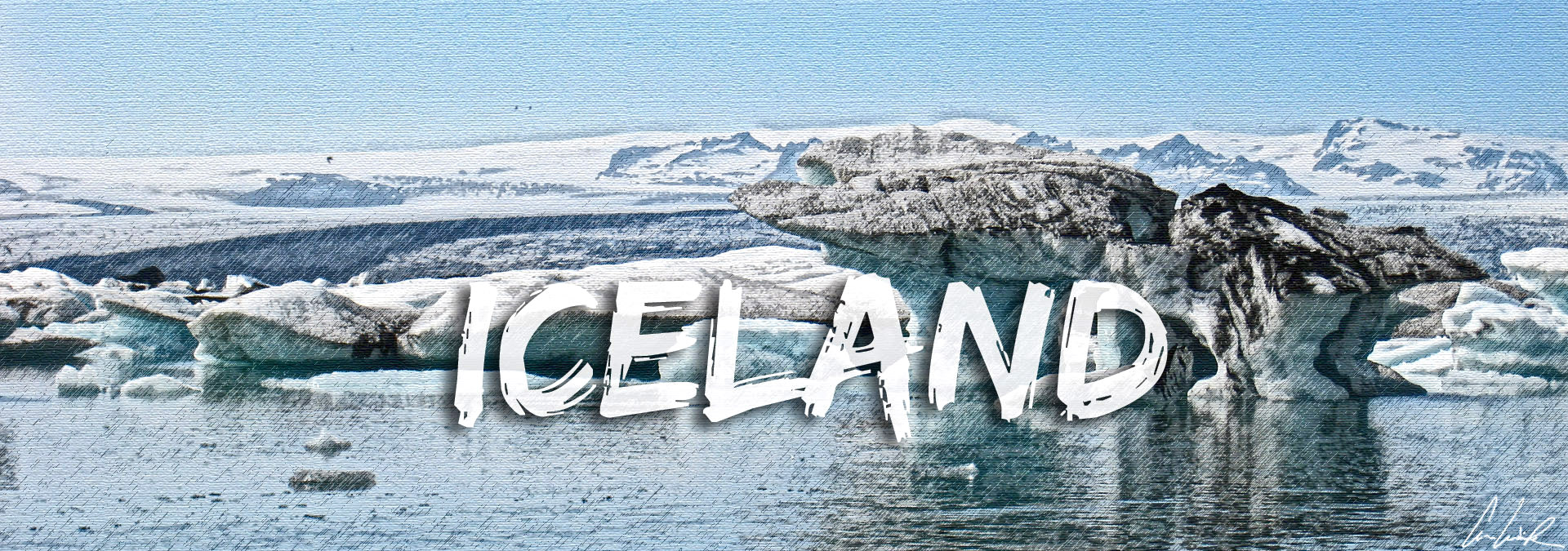
But Iceland is also the icebergs of the glacial lagoon Jökulsárlón, abstract sculptures streaked with black ash, disturbed only by the cry of arctic terns and the curious head of a seal. It’s the little Icelandic horse with its five gaits, the sheep descended from the flocks of the first settlers, the puffins, those clowns of the sea with their big orange beaks, wheeling around Dyrhólaey cape. And on this island where nature rules, no one crosses the huldufólk, the hidden folk of elves and trolls: roads curve around the rocks that shelter them, and many people here still believe they exist.
Iceland is an iconic travel destination, known for the beauty of its wild landscapes. In the land of the elves and the Vikings, wilderness rhymes with excess. Iceland is a living, pulsating, smoking island — a land where travellers meet an environment as magnificent as it is impetuous. Known as the land of fire and ice, Iceland is an explosion of sensory wonders!

Active volcanoes, lava fields, roaring waterfalls, geysers, glaciers glistening in the sunlight, verdant fjords, wind-sculpted cliffs — here is a summary of Iceland’s landscapes. This wild paradise is a must for nature lovers, and the beauty of Icelandic nature makes you happy.
Clouds, mist, fog — the landscape is constantly changing. Suddenly a pile of rocks becomes human… In Iceland, the border between the visible and the invisible world is blurred. When the first human inhabitants settled on the island, many of them adopted the idea that the elves were allowing them to share the land. This mythical world of hidden people is called the Huldufólk.

Indulge in the unique flavours of Icelandic cuisine. Taste the delicate flavour of Icelandic lamb (the “hangikjöt”), the freshly caught Atlantic salmon or Arctic char, prepared with traditional methods. And for the adventurous foodies, do not forget the national dish: the hákarl, a fermented shark meat. At first bite, you will be surprised by the rubbery texture, but most of all by the incomparable taste — a devastating burst of ammonia with a slight fish flavour. Be brave, and try the hákarl with a small glass of Brennivín!

Let the sounds of Iceland sing to your ears. Listen to the roar of waterfalls as they crash down into a narrow canyon, or the crackling of moving ice on huge glaciers. Hear the powerful waves breaking against the cliffs, the bubbling of hot springs, the blowing of whales or the cries of puffins… And be captivated by the silence of the remote Icelandic landscapes to truly connect with nature. If you are lucky, you might hear the haunting melodies of Icelandic musicians playing traditional instruments such as the langspil.

Iceland offers a tactile experience like no other place on earth. Immerse yourself in a soothing hot spring after a long day of adventure, and feel the silky softness of the geothermal water on your skin. The Blue Lagoon near Reykjavík is Iceland’s most famous hot spring, but there are many others around the country, such as Mývatn’s Natural Baths or the Secret Lagoon. Touch the rough, hardened lava that recalls the burning origins of this land. Reach out and touch the smooth, bluish ice of a glacier, until you feel a refreshing shiver run down your fingertips.

Explore Iceland’s geothermal zones and take in the sulphurous smell of boiling pots, fumaroles and solfataras. The high sulphur content and the heat of the geothermal areas make them smell like rotten eggs. In winter, the fish dryers near Reykjavík give off an aquatic aroma, sometimes laced with ammonia. The rest of the time, breathe in the crisp, pure air of Iceland, tinged with hints of earthy moss, wildflowers and the salty breeze from the surrounding seas.
Fancy escaping to Iceland, or simply taking a few minutes off? Discover the magic of Iceland in winter in two minutes flat… Why does Iceland fascinate so much? Between fjords and glaciers, wild expanses, waterfalls and geysers, its natural wonders make Iceland a spectacular destination — and the list is as long as a polar night.
Discover amazing travel experiences in Iceland through C-Ludik’s inspirational travel stories. The youngest country in Europe geologically speaking, Iceland is another planet, and it leaves no traveller indifferent. This northern island offers some of the most spectacular landscapes in the world, between volcanoes, glaciers, lava fields, fjords and geothermal springs.
IcelandSæll, Hvad segirdu gott? Me, Það gengur vel! If you are still interested in enrolling at the school of elves, you need to work on your Icelandic… But let’s resume our journey to the heart of this mysterious island, so dear to Jules Verne. Lake Mývatn or “lake of midges” is a picturesque eutrophic lake…
IcelandGóðan daginn “Where the glacier meets the sky, the land ceases to be earth, and the earth becomes one with the heavens; no sorrows live there anymore, and therefore joy is not necessary; beauty alone reigns, beyond all imagination“. This quote from the novel World Light, Book Four The Beauty of the Heavens (Ljós heimsins) by the…
IcelandFirst, let’s set the background! Iceland is a Nordic island country of 39,699 square miles near the North Pole. It opens to the inside of the Earth, and the Sun does not set during the summer… The grandiose and deserted landscape is crisscrossed by rivers and streams. Iceland, with a population of 332,529, is the…

Planning a magical trip to Iceland? This country is another world. Prepare your trip with some useful tips for discovering Iceland. When to go to Iceland? What to do there? What is the most typical Icelandic food to taste? Immerse yourself in Iceland’s culture, art of living and breathtaking landscapes to fully experience its magic. No doubt you will love the land of ice — the ephemeral ice caves, the icebergs on Diamond Beach — but also the land of fire, with its 32 volcanoes.

All the things you should know before travelling to Iceland. Where is Iceland located? Why is Iceland so famous? Which part of Iceland is the most beautiful? Whether you travel in August or in the middle of winter, what should you wear? What are Iceland’s culinary specialities? Use this practical guide to plan your perfect trip to Iceland and live a unique experience.

The best way to experience Iceland and what the country has to offer is through the seasons. There are two faces to Iceland: a fresh, bright summer and a white-blue winter.
Visiting Iceland in the summer is an unforgettable experience. Summer is a time of light and life. During the Icelandic summer the golden hour lasts around the clock. The highland roads, or F-roads, open up for exploration, so you can reach every region of the country. Enjoy the green landscapes, the flowers in bloom and, of course, the midnight sun. The lush green landscapes are perfect for long hikes. From July to early September, the Icelandic highlands offer endless space for walking, while the cacophony of bird colonies fills the air day and night. It is also the best season for whale watching.
Visiting Iceland in winter leaves you with unforgettable memories. Winter is the time to cuddle up in warm houses while fierce snowstorms battle it out above the rooftops. When the storm is over, prepare to take to the mountains on skis or snowshoes, or to hunt the northern lights. There is truly nothing like Iceland in winter: the aurora dancing in the sky, ice caves sparkling in the sunlight and hot springs steaming in the snow. Hiking on a glacier, visiting a natural ice cave, watching snow-covered mountains, frozen waterfalls or the Icelandic horse against the white landscape — it is all stunning.
These are the questions I am asked most often about Iceland, the ones neither a brochure nor a search engine answers. I reply with what I saw, smelled and heard on the ground.
Enough for it to show on the ground. Around 55% are convinced the huldufólk, the hidden people, exist, and 5% say they have seen one. This is not postcard folklore: roads curve around the rocks said to shelter them, mediums are consulted before certain buildings go up, and Reykjavík is home to the Álfaskólinn, the world’s only elf school, where you can graduate in the study of invisible peoples. The rule is simple: do not move stones, do not drive anything into a mound. At Dimmuborgir, those black lava fortresses pierced with wide doorways, I understood where the idea came from. My Icelandic travel stories go into it, and so does a journey to the centre of the earth.
It assaults the senses before it becomes a landscape. At Hverir, below Námafjall, the smell hit me first: rotten egg, unmistakable, and it clings to your clothes. Then the sound, the furious hiss of the fumaroles. Then the ground itself: I felt the earth vibrating underfoot. Grey mud pots boil and their bubbles burst, flinging scalding splashes onto the rim, which is why ropes mark the paths, and why you should stay behind them. All around, the orange mountain is shot through with acid vapours that are dissolving the rock. The word geyser comes from here: Geysir means “the one that gushes” and gave its name to every geyser on earth. It now erupts only a few times a year, while its neighbour the Strokkur blows a twenty-metre column every eight minutes, preceded by a turquoise bubble no other geyser in the world produces.
Because they have a route, and it is a short one. The blocks break off the front of the Breiðamerkurjökull glacier and gather in the Jökulsárlón lagoon like abstract sculptures, white, sometimes translucent, streaked with black ash left by past eruptions. After several years of melting they become small enough to slip through the narrow channel linking the lagoon to the sea. The tide then throws them back onto the black sand as sharply carved lumps of ice, what visitors now call Diamond Beach. On the lagoon itself, only the shrill cry of Arctic terns breaks the quiet, and a curious seal sometimes surfaces to watch the watchers. The story from lagoon to black sand follows that route.
Horse, and saying so matters. Never call an Icelandic horse a pony in front of its owner. Despite its size it is a horse, prized in the equestrian world for its hardiness and its five gaits. Beyond walk, trot and canter it has the tölt, a fast four-beat gait reaching 30 to 40 km/h yet remarkably comfortable to sit, and the flying pace, faster still, where both legs on the same side move together with a moment of suspension. These horses live outdoors all year, half-wild, in every kind of weather. I met them at the roadside far more often than I expected. More context in our Iceland basic facts.
Lamb, in more or less every form. Descended from the flocks the first settlers brought over, the sheep roam free from May to September before being gathered in for winter, and they still hold pride of place at the table: svið, the boiled head, sviðula as a pâté, kjötsúpa as a soup, hangikjöt smoked. If that list gives you pause, head for Höfn, a fishing port in the south-east with a view onto the Vatnajökull glacier, where langoustine is the local speciality. The rest of my ground-level advice sits in my practical tips for Iceland.
The mosquitoes at Lake Mývatn are not mosquitoes. The name means lake of midges: they are chironomids, they do not bite, but they have the maddening habit of working their way into everything the moment you stand still. A head net settles the matter. Otherwise I found the wildlife showed itself without much effort: puffins at Dyrhólaey, those plump little clowns with an orange bill streaked in yellow, seals and Arctic terns at Jökulsárlón, sheep and horses roaming loose almost everywhere, and around Mývatn the Barrow’s goldeneye or the great northern diver. See our best things to do in Iceland.
If emptiness is what you are after, yes. Twelve thousand inhabitants for the whole region, scattered at the head of long fjords, and one road, Route 1, running past desolate, magnificent inlets. On a summer evening, when the clouds turn pastel, the landscape tips somewhere close to Middle-earth. A local saying covers the rest: if you do not like the weather, wait ten minutes. Further north-east, the Hengifoss waterfall reveals itself to walkers in a ravine whose walls are banded with thin red clay strata; it never looks its height, yet it drops 118 metres. As for Lake Lagarfljót, a giant serpent is said to haunt its dark water. Start with my guide to getting to Iceland. The next step is my trip planning guide.