

Desert Travel Experiences Around the World
No two deserts are alike: the dunes of the Wahiba Sands, the expanses of the Namib, the salt and lagoons of the Atacama. This page gathers my desert travel stories, between sand, salt and silence, with my tips to get ready and come home with your head full of images.
Stories and tips from my travels in the desert
-
 Mineral Explorations
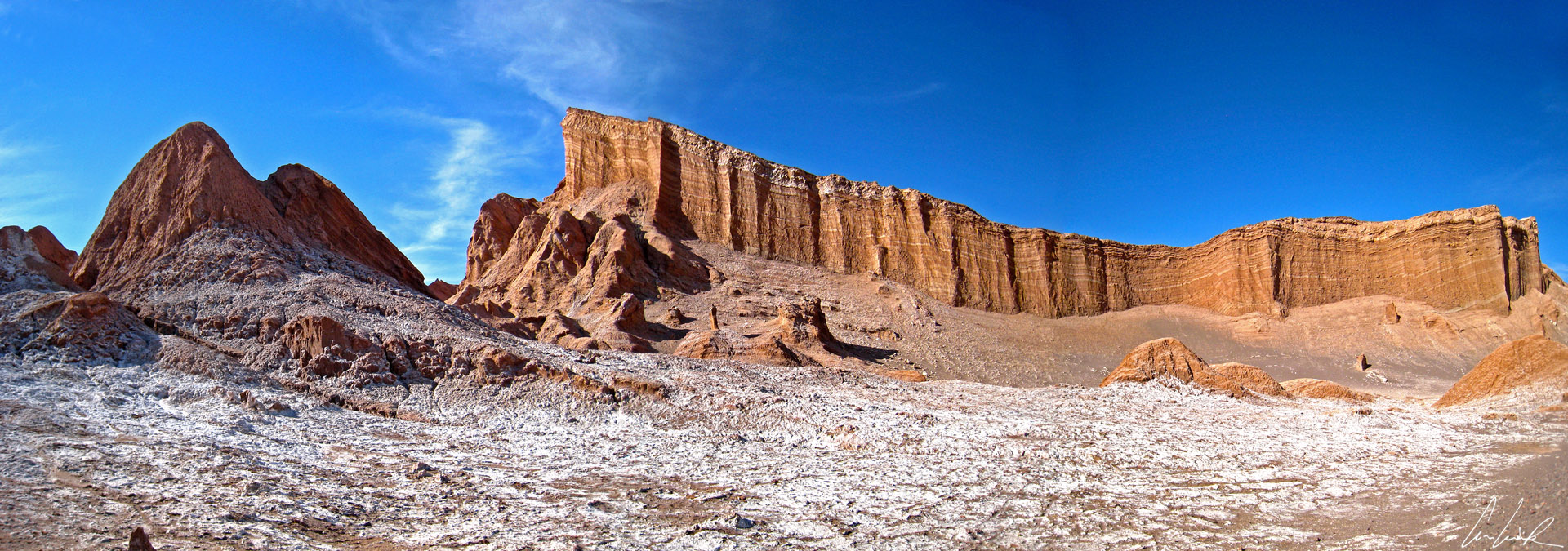
Journey in the most stunning deserts of the world
From the Sahara of the « Little Prince » to the depths of the Great Arctic, from Chile to California, from Jordan to Namibia, from Australiato Bolivia, the desert is found in all four corners of the globe. It gains ground almost everywhere, mainly because of global warming. Today, nearly a third of the surface of…
0 19 min read -
 Sultanate of Oman
The Natural Wonders of Oman: Green Wādī and Moving Sand
Without a doubt Mother Nature gave the Sultanate of Oman her best ! As soon as you leave the city of Muscat, the scenery changes abruptly, and you find yourself in a mineral world of stony plains and jagged mountains. In the 14th century, Ibn Battûta, a Muslim Berber Moroccan explorer nicknamed « the Marco…
0 13 min read -
 Namibia
A glimpse of Etosha National Park
Namibia is a marvel for all those seeking distant new horizons… It is unthinkable to go to Namibia without going on a safari! Etosha National Park is one of the largest conservation areas in Africa and one of the best places to observe abundant wildlife roaming freely. The spectacular wildlife can be seen in complete…
0 13 min read -
 Chile
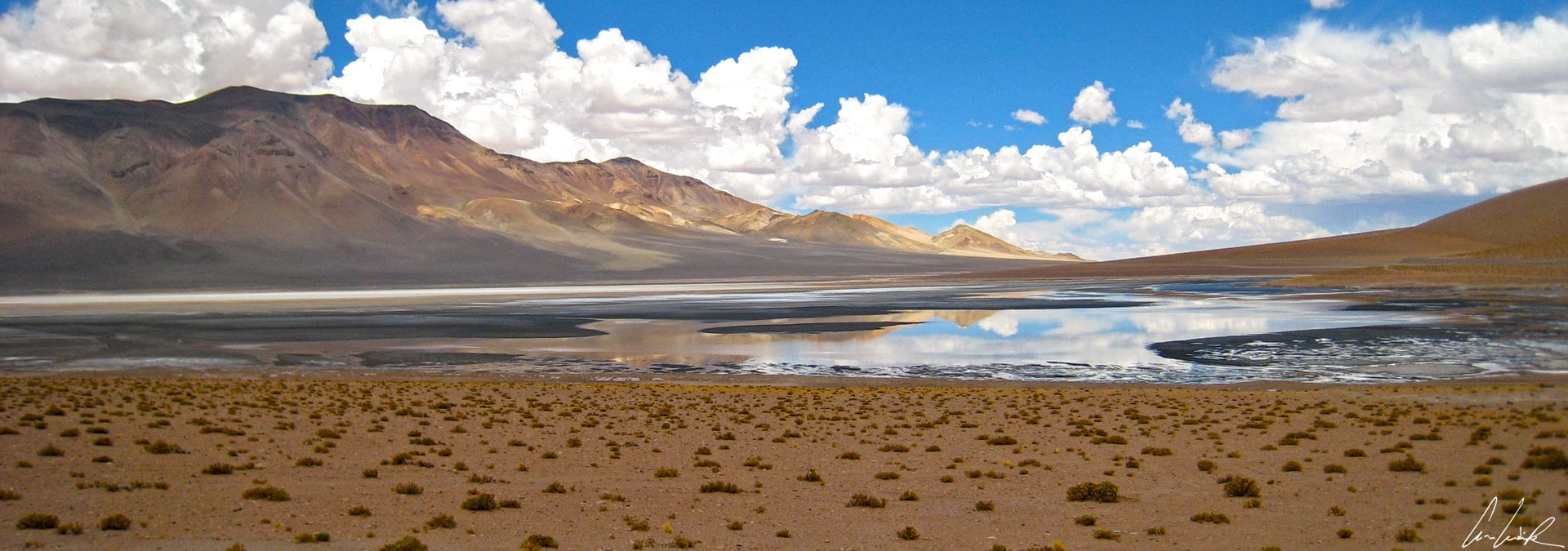
El Tatio Geysers: the magical Atacama’s geothermal field
The Atacama Desert in northern Chile… In this mineral world where everything seems so big, so infinite, and so calm. But some rocks are impatient. They wait for the morning surge of the geysers to warm up from the cold night ! Located about 50 miles north of San Pedro de Atacama and 62 miles…
33 11 min read -
 Chile
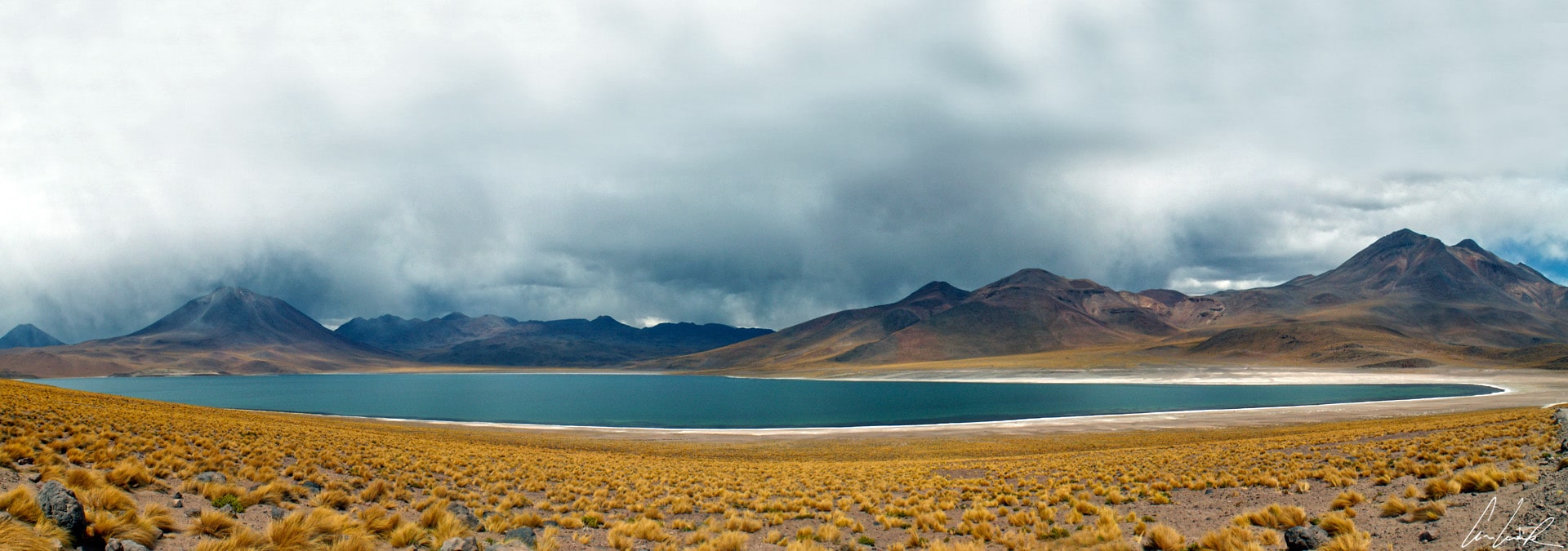
The Atacama Desert: See Life in Pink (Flamingo)
The Atacama Desert in northern Chile reveals astonishing landscapes at the feet of the Andes Mountains. The Salar de Atacama is about 34 miles south of San Pedro de Atacama. This salt flat covers an area of 1,200 square miles and is roughly 62 miles long and 50 miles wide. It is the third largest…
42 10 min read -
 Chile
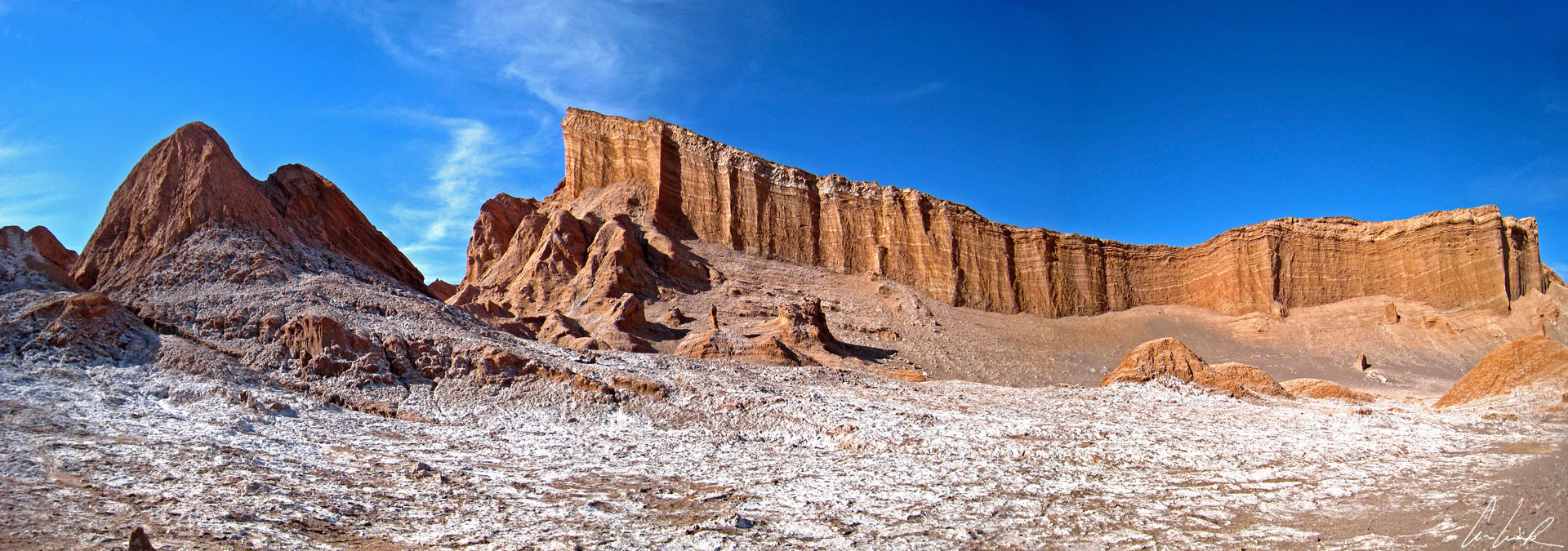
The Atacama Desert, welcome to Mars!
Lunar landscapes, snow-topped volcanoes, vast salt lakes, bubbling geysers: the landscape of the Atacama is breathtaking. The Atacama Desert lies in the northernmost part of Chile. The region is sometimes called “El Norte Grande” and extends from the Peruvian border to the mouth of Rio Loa on the Pacific. The Pacific Ocean lies to the…
34 11 min read -
 Western USA
Man vs. Wild…
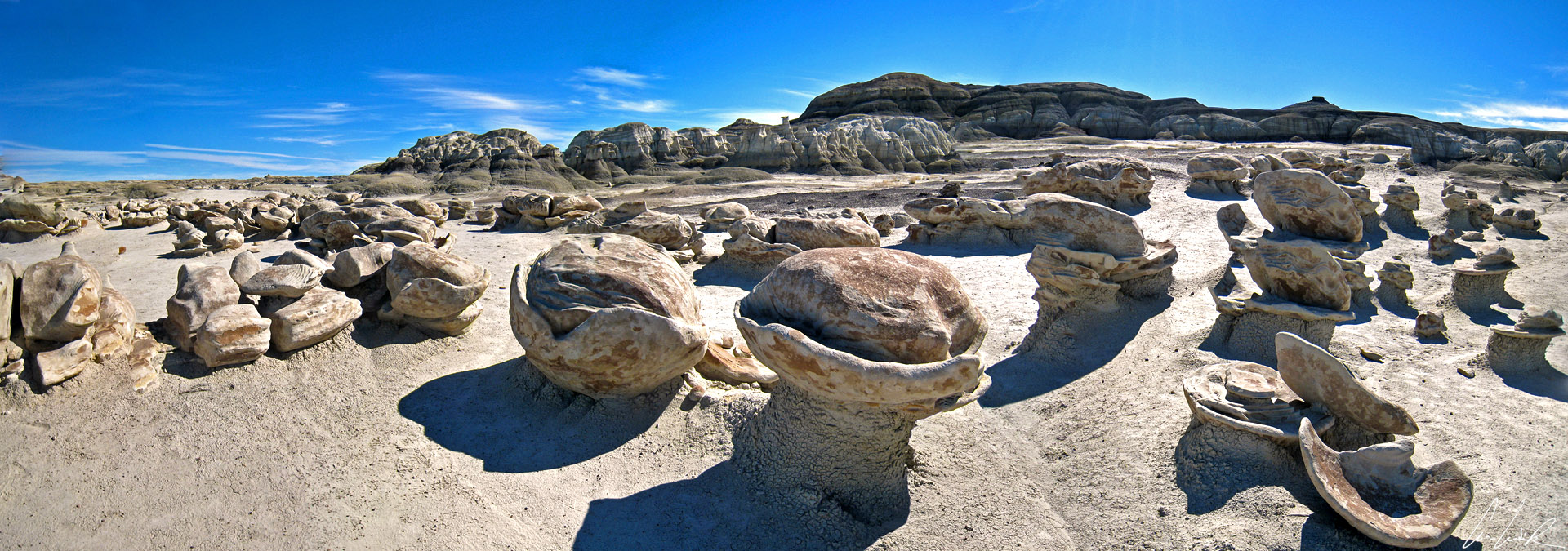
If you like moonlike landscapes and seek loneliness… look no further. Bisti Wilderness is the place for you! Are you ready for a “Man vs. Wild” but without Edward Michael “Bear” Grylls to accompany you ? Off State Highway 371 at Road 7297, about 35 miles south of Farmington is the entrance to the Bisti…
28 5 min read -
 Western USA
New Mexico: Land of Enchantment
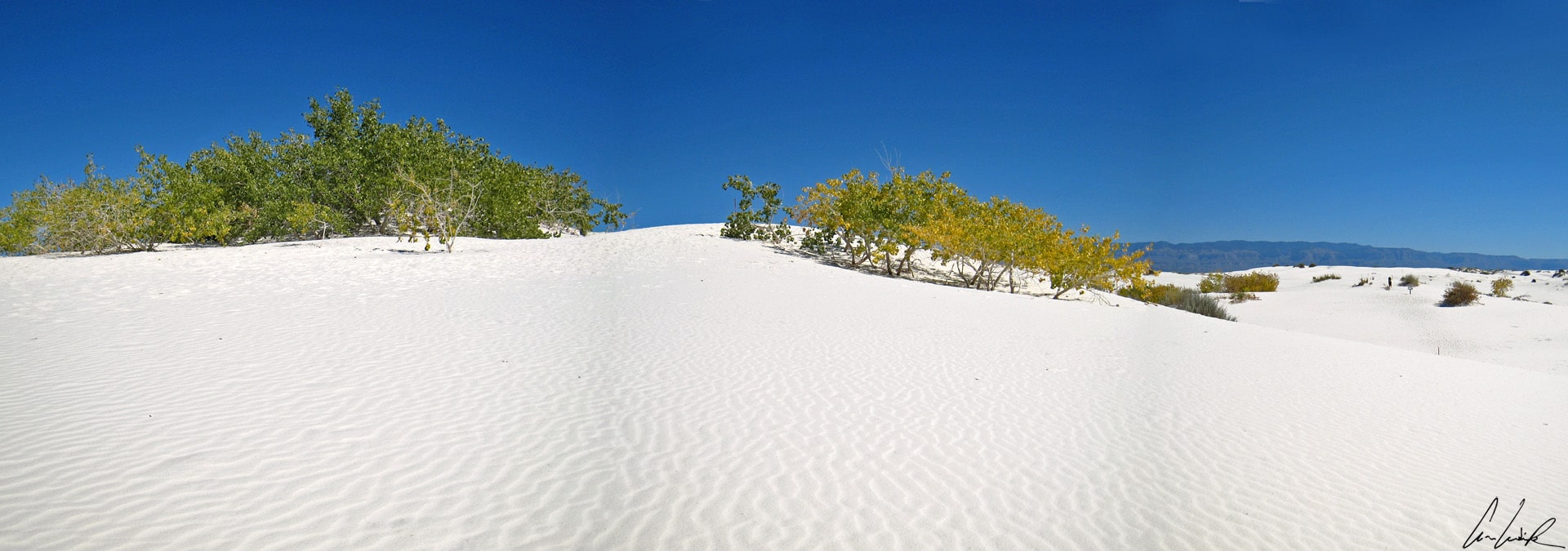
New Mexico is trapped between the “Great” Arizona, the “Friendship” Texas and south of the “Centennial” Colorado. New Mexico, one of the southwestern States is often left out by tourists visiting the western United States. It is a pity because New Mexico is total ! The motto of the state is even “Land of Enchantment”…
24 7 min read -
 South Africa
Objective Dune!
Molo Kunjani, That’s how we say it in Xhosa ! Before the last part of our journey, we turn to the Augrabies Falls National Park in the Northern Cape province, 494 miles North of Cape Town and 560 miles South of Johannesburg. The Park was established in 1966 and covers an area of 320 square…
34 6 min read -
 Australia
Journey to the Red Center of Australia
G’day mates, There you are, the red sandy plain of the heart of Australia. Aborigines call the red sandstone formations “Uluru” and “Kata Tjuta” and white people Ayers Rock and The Olgas. These sandstone monoliths were discovered by the first Europeans expedition traveling in the area. In 1872 Ernest Giles saw Kata Tjuta and called…
2 6 min read -
 Australia
When You’re in the Desert For Too Long…
G’day mates, We left behind the Flinders with its spectacular landscapes and rich wildlife to follow the legendary Oodnadatta Track into the full, red heart of Australia where there are no humans for hundreds of miles in any direction. The Oodnadatta Track follows the former Overland Telegraph line and the abandoned line of the Great…
0 5 min read -
 Australia
Crocodile Dundee
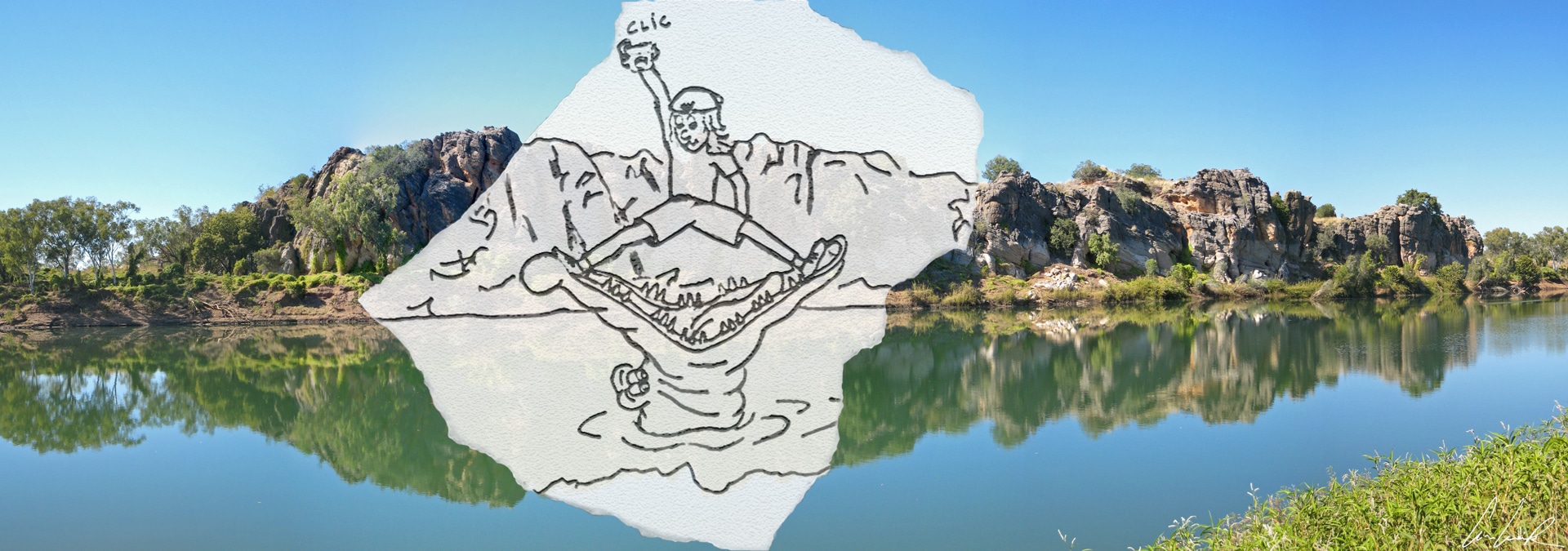
Oz, Oz-ons, Oz-ez, The Kimberley, situated in the Northwestern part of Western Australia, is known for its wilderness. It is one of the nine regions of Australia and bordered on the west by the Indian Ocean, on the North by the Timor Sea and on the South by the Great Sandy and Tanami deserts. It…
15 8 min read -
 Australia
OZ the Great and powerful
G’day, It was not a hot air balloon in a tornado that took us to Oz, but simply a non-stop flight to Perth, Australia. This was probably much safer but also much longer… And one can easily imagine being in “Donkey” shoes (hey, hey, donkey skin!) and traveling with Shrek & Fiona to the Far…
4 7 min read -
 Bolivia
I dreamed of another world…
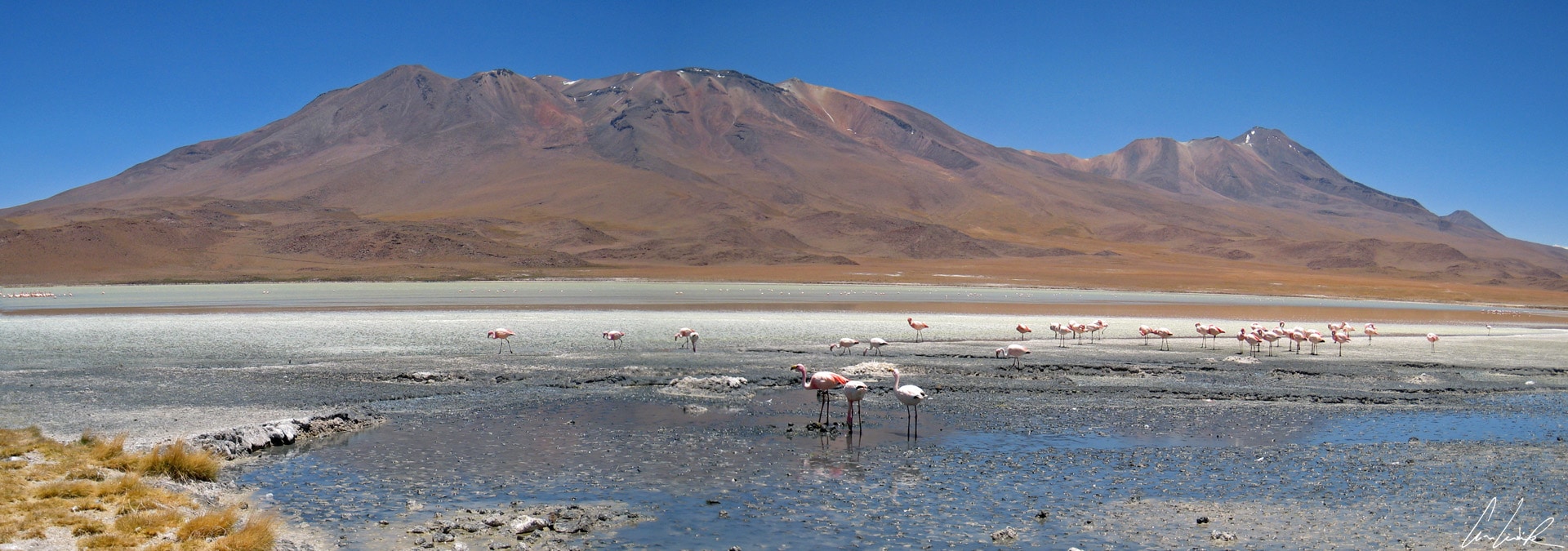
A last glance at the Laguna Colorada in the early morning: this shallow salty lake has regained its serenity and lost its intense red color, but still offers striking reflections. We head toward the desert of Siloli in Southwestern Bolivia, a desert dominated by magnificent ocher colors and surrealist landscape. The Siloli desert features unusual…
16 7 min read -
 Bolivia
Across the border
“Should we cross the border / Going Beyond / Without missteps / Discover what is behind…” (Donoré – Passer la Frontière). Let’s cross the border and discover the Bolivian Altiplano, seemingly “the region” to discover. The Altiplano or high plain is located in west-central South America, lying between Bolivia, Peru, Chile and Argentina. It is…
10 5 min read -
 Nepal
From terra firma to the land of the dzos
Namaste, Breathing the scents of Asia, exploring a region of the world where the mountains flirt with the sky… Are you ready to explore a country where the earth greets the sky and where the blue azure of the heavens blends perfectly with the highest mountain peaks of Annapurna and Dhaulagir? Welcome to the “Forbidden…
31 8 min read
Frequently asked questions about traveling in the desert
A desert is not empty, it is thrifty. It took me a while to catch the nuance, somewhere between the 12 000 square kilometres of salt at Uyuni and the Atacama lagoons where flamingos filter water nothing else can stand.
Can you come across elephants in an African desert?
Yes, and they drink less than their savannah cousins. An elephant can swallow up to 140 litres of water a day, its trunk holding ten litres per draw; in arid zones the population has adapted to far smaller rations and covers considerable distances between two waterholes. At Etosha, in the dry season, they arrive in single file and keep everyone else waiting, which I watched for two hours in this overview of the park. The Namib bordering the region stretches more than 2 000 kilometres, 50 to 160 wide, and its age of 80 million years makes it the oldest desert on earth, as my review of the great deserts recalls.
How do flamingos survive in the Atacama desert?
By filtering salt lagoons that nothing else colonises. Three species share the Salar de Atacama and are told apart by their legs: the Chilean flamingo has grey legs with red joints, the Andean one yellow legs and black wingtips, the James flamingo a yellow bill with a black tip. The Chaxa, Barros Negros, Salada and La Punta lagoons form their territory, inside Los Flamencos National Reserve, the first co-management between the Chilean state and the Lickan Antai people, which I recount in this life in pink beside the salar. At 4 300 metres, the El Tatio geysers complete the geothermal picture in this daybreak at minus ten degrees.
What are the huge salt lakes of the Atacama desert called?
Salares, and the Atacama one covers 3 000 square kilometres. Its crust is grey, rough, spiky: nothing like the smooth white sheet people picture. For the perfect mirror you have to cross the border. The Salar de Uyuni, in Bolivia, spreads 12 000 square kilometres and remains the largest salt desert on earth, which I describe in this crossing of the Bolivian altiplano. The Salar de Chiguana, 415 square kilometres perched above 3 600 metres, is even crossed by train. On the Chilean side the texture of the salt makes better sense from the shore of the Los Flamencos reserve.
Why is the Atacama desert compared to the planet Mars?
Because it is the driest desert on earth, across 100 000 square kilometres. Some stations have never recorded measurable rain. The Valle de la Luna, a natural sanctuary since 1982, lines up ridges of salt and clay where the ground cracks at sunset, and Licancabur volcano closes the horizon at 5 916 metres, a setting I cross in this stay in Martian mode. San Pedro de Atacama, founded in 1450, holds at 2 400 metres with some 5 000 inhabitants. New Mexico offers a white variant of the same exercise, in the gypsum dunes of White Sands.
Which are the largest deserts in the world by area?
The Sahara leads with 9 million square kilometres. The Arabian desert follows with 2 330 000 square kilometres spread across nine countries, then the Kalahari and its 900 000 square kilometres shared by Botswana, Namibia and South Africa. The Namib plays age rather than size: 81 000 square kilometres of dunes passing 300 metres, listed by Unesco in 2013. In the United States, the Great Basin covers 518 000 square kilometres between 1 200 and 3 000 metres of altitude, and the Mojave 40 000, which I set out in this round of the finest deserts. In Oman the Wahiba Sands count 12 500 square kilometres, as my bivouac in the Omani sand shows.
What should you plan for before heading into a desert?
Enough to handle a seventy-degree temperature swing. In the Wahiba Sands the thermometer runs from minus ten to plus sixty degrees depending on season and hour, and it is that swing which wears you out, not the heat alone. Carry water in quantity, a warm layer for the night and something to keep sand out of the camera. In central Australia, distance sets the rules: road trains run 50 metres long at 110 kilometres an hour, and you do not overtake them lightly, which I explain in this passage through the Red Centre. Solitude is part of the programme, as my notebook of the long Australian tracks recounts.
Check out our other themed trips
-

Autumn travel: Best Destination for Fall
Autumn gives the trails back their silence: colors take over from the crowds, the light softens and destinations finally breathe again. This page gathers my… -

Best places to visit in Winter
Winter is my season: white forests in Lapland, dog-sled safaris, northern lights and Icelandic winters. This page gathers all my winter travel stories and… -

Best Summer Holiday Destinations
Summer opens up the wide spaces: the midnight sun in Lapland, Icelandic summers, hiking trails and evenings that never seem to end. This page gathers my… -

City Walks
A city reveals itself on foot, or not at all. From Shanghai to Valparaiso and on to New Orleans, this page gathers my favorite city walks: neighborhood routes… -

Most Beautiful National Parks in The World
A national park is best told from the trail, not from the map. From Torres del Paine to Abisko by way of Etosha, this page gathers my national park stories… -
Spring best places to travel
Spring is the season travelers overlook, and that is a mistake: days grow longer, nature wakes up and the crowds have not arrived yet. This page gathers all my… -

The Best Islands to visit
An island sets its own pace: you arrive by sea or by air, and everything that follows belongs to it. From Madeira and Cape Verde all the way to Easter Island… -

Wildlife Watching
Watching a wild animal starts with accepting that the animal decides. Reindeer and elk in Lapland, Atacama flamingos, coatis at Iguazu: this page gathers my…

Hello, I am C-Ludik, a traveller with a passion for nature and photography. Travel is far more than moving from one destination to another.
It is an invitation to slow down. To watch the last light of day settle on a quiet village, to wait for an animal to appear on the horizon, to listen to the distant roar of a waterfall or to be surprised by a landscape where you least expect it.
Through ’Tween Here and There, I share the stories, photographs and emotions gathered along the way. From the deserts of Namibia to the Himalayan peaks, from European villages to the far shores of the Pacific, each journey becomes a story to tell and an invitation to see the world differently.
With camera in hand, I invite you to follow me along winding roads and remote trails, towards the places, the light and the encounters that turn a simple trip into a lasting memory. Because the greatest adventures sometimes begin far away (there)… and sometimes right at home (here). Welcome to my five-senses odyssey across the world, where distant horizons meet the wonders of everyday life.
Every journey is far more than a destination. It is a collection of encounters, light and emotions that I am delighted to share through my photographs and travel stories.
Lire en français


Travel by Theme