

Europe
Europe is rich in its geographical, historical and human differences, but the Old Continent is also rich in natural treasures. Charming villages with cobbled streets, dark moors and old castles clinging to cliff edges shape landscapes made for myths and legends. From the Irish meadows to the Finnish taiga, from the vineyards of Tuscany to the Danube Delta, calanques, deserts, glaciers, lakes and archipelagos create an incredible variety of landscapes: the whole world in miniature! This enchanting magic of European landscapes has inspired artists for centuries. Discover the fjords of Norwegian Lapland, the snow-covered peaks of the Bernese Oberland in Switzerland, the levadas of Madeira or Icelandic volcanoes such as Snæfellsjökull, which inspired Jules Verne’s Journey to the Center of the Earth. And don’t forget to fall under the spell of Europe’s most beautiful cities: Paris, Rome, Barcelona or London, to name just a few.
To choose your next European escape, follow the texture of the journey: Scotland, from the Highlands to Skye, will speak to lovers of lochs, wind-battered islands and haunted stories, while France through nature and heritage reveals another side of the Hexagon, from the cliffs of Étretat to the ochers of Roussillon. If you are looking for a wilder land, Iceland, island of fire and ice, opens the way to Vatnajökull, lava fields, waterfalls and stories of the Huldufólk.
The journey can then take on softer, sunnier or more polar accents: Italy between Dolce Vita and the Dolomites blends art cities, UNESCO-listed mountains and local flavors, while Lapland, from the Far North to Sápmi, invites you to listen to silence, follow the reindeer and watch for the Northern Lights. Farther out in the Atlantic, Madeira, the island of flowers and levadas, creates an Atlantic breathing space between Funchal, botanical gardens, picos, Porto Santo and the cliffs of Cabo Girão.
European destinations I explored: Scotland, France, Iceland, Italy, Lapland and Madeira
Click on an image to discover my travel stories


Europe travel stories: nature, heritage, legends and wild landscapes
-
 Auvergne-Rhône-Alpes
Escape to the volcanic peaks of Velay: Mount Mézenc and Mount Gerbier de Jonc
In the Auvergne-Rhône-Alpes region, the departments Ardèche and Haute-Loire share a common history, geography, and landscape. Both, divided by the Mézenc massif, lie in the southeast of the Massif Central. This Mézenc massif is a vast volcanic plateau formed by two “sucs” (volcanic domes): Mont Mézenc and Mont Gerbier de Jonc. Everything is doubled here:…
0 18 min read -
 Auvergne-Rhône-Alpes
The Cry of the Auvergne: A Volcanic Escape between Lakes and Waterfalls
Do you want a complete change of scenery? Discover French destinations that transport you to the other side of the world, all the while staying in the Auvergne-Rhône-Alpes ! Located in the southeastern part of the Massif Central, Velay is an old French province bordered by the Allier Valley to the west and the Loire…
3 17 min read -
 Auvergne-Rhône-Alpes
Journey to the Heart of the Auvergne Colorado: A natural wonder
Do you dream of discovering astonishing landscapes just a short distance from home? If so, head off to discover the hidden gems of the Auvergne-Rhône-Alpes, where vibrant colors and unique shapes sculpted by time come to life. Let yourself be transported on a journey through a land of stunning red earth and unique geological formations—true…
3 16 min read -
 Lapland
Exploring Luleå and the church town of Gammelstad
Luleå (Luleju in Northern Sami, Julevu in Lule Sami, Luulaja in Finnish) is a coastal city and capital of Swedish Lapland in the northern province of Norrbotten. It is the largest city in Swedish Lapland as well as a modern city focused on the digital economy. Indeed, it is a digital hub for Europe. The…
2 15 min read -
 Lapland
Frosty Fun in Luleå, Swedish Lapland
Swedish Lapland covers a quarter of Sweden, stretching from Sorsele and Skellefteå in the Västerbotten region to the country’s northernmost tip. Mountains, forests, lakes, rivers, and wild archipelagos shape this northern territory. Luleå is the largest city in Swedish Lapland and a port city on the Gulf of Bothnia. Luleå has the fifth largest freight…
0 11 min read -
 Lapland
: Northern lights like you’ve never seen them before!
Lapland offers an unparalleled spectacle during the Northern Lights season. Between fjords, tundra, steep cliffs and steep coasts, the region is known for its spectacular aurora borealis. What are the Northern Lights ? After touring Tromsø we turn to the beautiful spectacle of the Northern Lights, the Aurora Borealis, and move away from the city…
0 7 min read -
 Madeira
, Hiking trails between Ocean and Mountain
Madeira Island presents such a diversity of landscapes that it is very difficult not to fall in love with its charm. If you are looking for a “nature” holiday where ocean and mountains meet, Madeira is for you ! Madeira Island, a true natural paradise, offers exuberant vegetation, volcanic mountains sculpted by erosion and unique,…
9 10 min read -
 Madeira
’s Levadas, Hiking along waterways
Discover the Levadas of Madeira, these irrigation canals testifying to the ingenuity of man to adapt to nature without damaging it, during beautiful walks along the water.
20 8 min read -
 Madeira
: Stopover in Funchal, the Capital of the Island of Flowers
The subtropical island of Madeira in the North Atlantic Ocean about 280 miles off the coast of Morocco attracts many tourists. Madeira is located at the same latitude as Bermuda, which lies further west in the Atlantic. Madeira covers an area of 286 sq. miles and is 35 miles from west to east and 14…
28 13 min read -
 Lapland
Tromsø, hunting the northern lights between fjords and mountains in Norwegian Lapland
Norwegian Lapland, “Finnmark” in Finnish, is located in the extreme northeastern part of Norway, north of Finland and west of Russia, bordered by the Norwegian Sea on the northwest and the Arctic Ocean on the northeast. Another icy adventure to the end of the world ! Finnmark or Finnmárku in Northern Sámi is part of…
32 7 min read -
 Lapland
, cradle of Sámi culture
In Lapland, North of the Arctic circle in Finland, it takes only a few minutes to forget the frenzy of daily life and to plunge into a peaceful, stillness and pristine nature. Kilpisjärvi (Gilbbesjávri in Sámi language) has a population of about 100 and is located near the border with Sweden and Norway. This small…
34 13 min read -
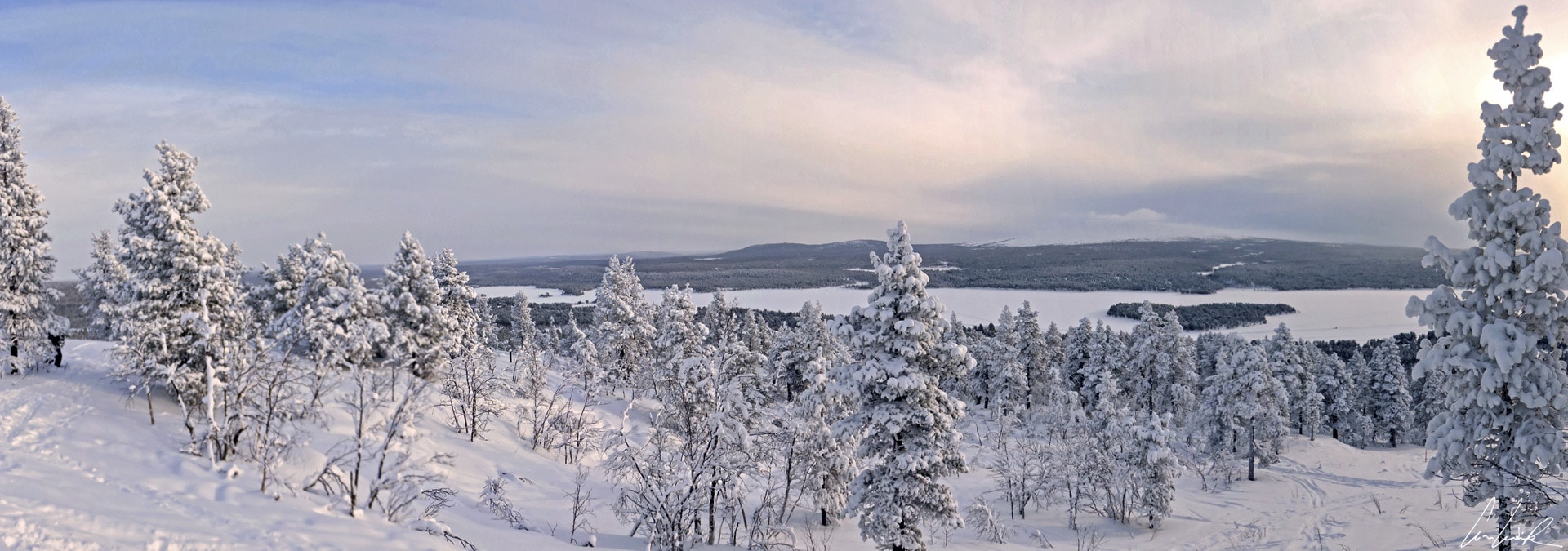 Lapland
, a Winter Paradise
Hyvää päivää, Lapland (or Sápmi in the Sámi language) stretches over four countries: Norway, Sweden, Finland and the Kola peninsula of Russia. The region is bounded by the Norwegian Sea on the west, the Barents Sea to the north and the White Sea in the east. This region of approximately 150,000 square miles mostly lies…
22 12 min read -
 Normandie
Normandy, between « War and Peace »
Normandy is full of history in France, but also a haven of peace and relaxation at its famous seaside resorts such as Le Touquet, Cabourg, Deauville, Trouville, Fecamp, Etretat, Honfleur… It is a great natural environment for walking, cycling and horse-riding and features many local products… The Côte Fleurie stretches for about 25 miles from…
11 8 min read -
 Normandie
Looking back at the beaches of Normandy on D-Day
« Boujou » ! Cows grazing peacefully in green fields under apple trees, half-timbered cottages, cider and Calvados, creamy cheeses (Camembert, Livarot or Pont l’évêque) and the landing beaches of the D-Day… you know immediately what part of France I am describing, right ? No ? “Oh my god !”, still stumped ! Let me add: it rains…
23 9 min read -
 Provence-Alpes-Côte-d’Azur (PACA)
The Mercantour: the largest site of rock engravings (prehistoric) in Europe!
The picturesque village of Roubion (in Provencal, “Robione” and “Rup” means rock with cliffs) is perched like an eagle’s nest on top of a 4,380-feet high in France, cliff and surrounded by walls dating from the middle Ages. This medieval town was built on a rock ledge that protects its 125 inhabitants from cold winds.…
31 8 min read -
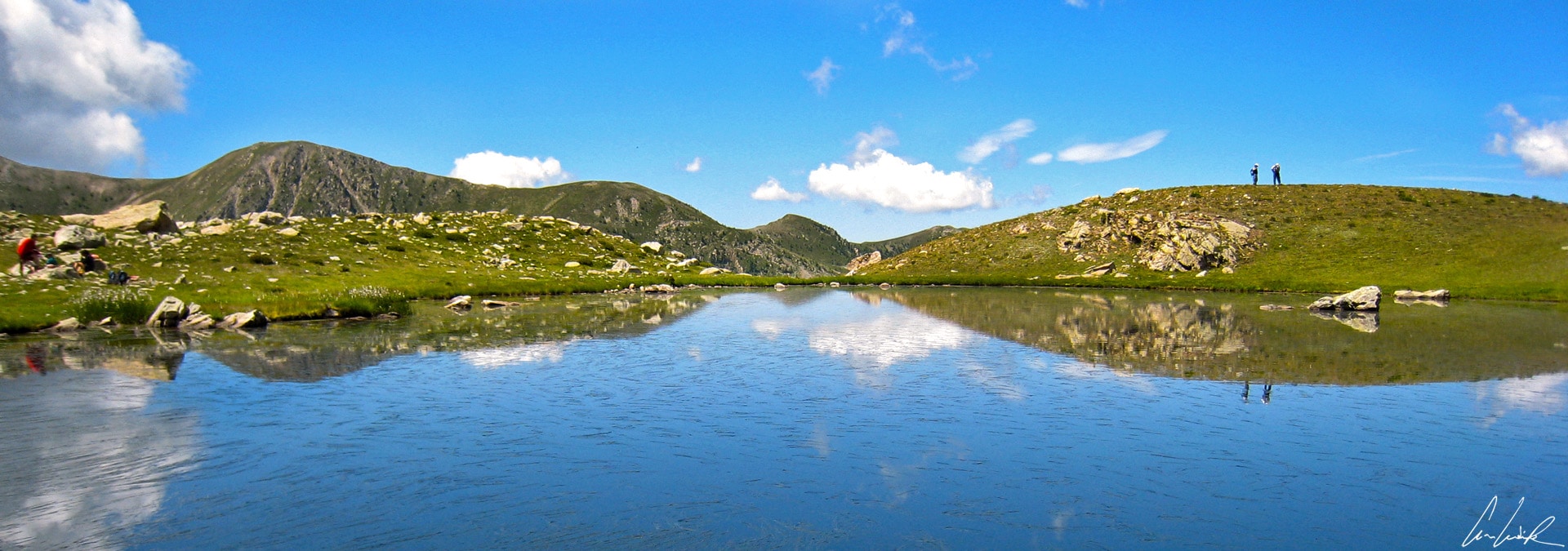 Provence-Alpes-Côte-d’Azur (PACA)
Mercantour Massif: the must-see sites to discover
If you are looking for a gateway into the French Alps that combines mountains, culture, and sunshine, then the Mercantour National Park is your destination. Discover Boréon, the Madonne de Fenestre, the Gordolasque valley and the prehistoric site vallée des Merveilles with its rock engravings dating back more than 5,000 years… The Mercantour National Park…
20 10 min read -
 Italy
The Dolomites: a life-size work of art
For anyone asking, upon arrival in Europe, to see the most stunning sites of the Alps, the Dolomites (Dolomiti in Italian) will certainly be one of the top three. This majestic mountain range located in northeastern Italy highlights an amazing land of adventure. The Dolomites are renowned for both winter sports enthusiasts and mountaineers: Val…
22 9 min read -
 Iceland
A Journey to the Center of the Earth…
Sæll, Hvad segirdu gott? Me, Það gengur vel! If you are still interested in enrolling at the school of elves, you need to work on your Icelandic… But let’s resume our journey to the heart of this mysterious island, so dear to Jules Verne. Lake Mývatn or “lake of midges” is a picturesque eutrophic lake…
22 11 min read -
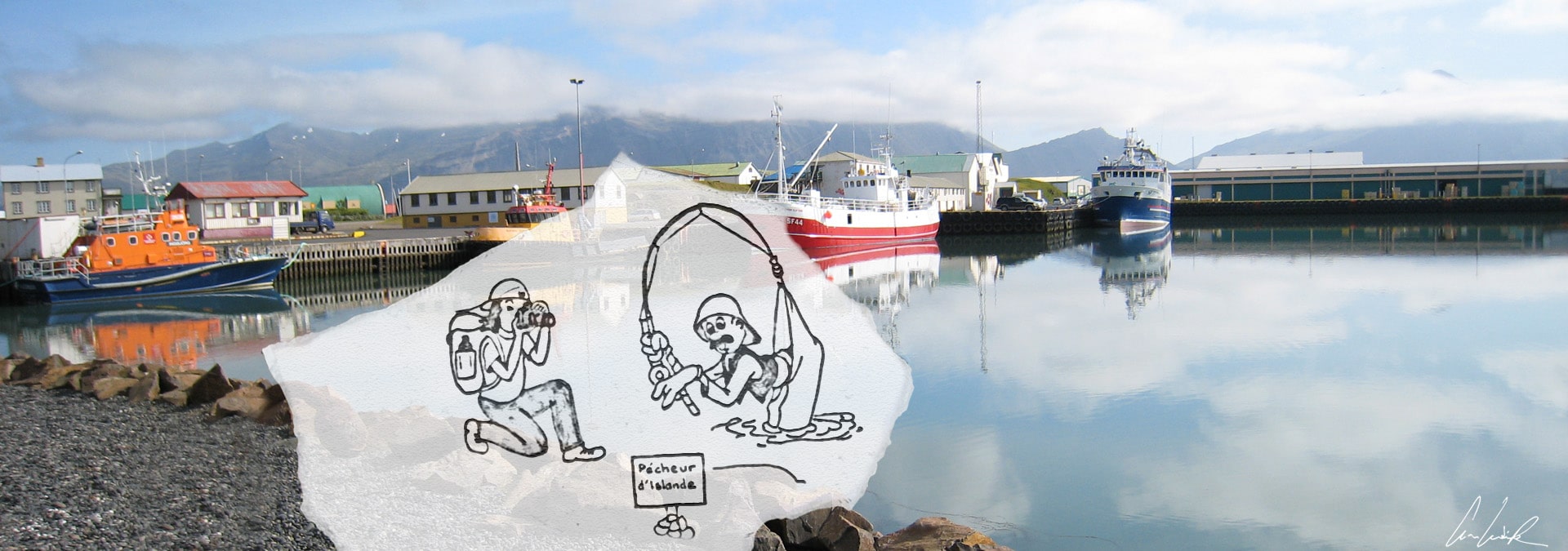 Iceland
Hot and cold air…
Góðan daginn “Where the glacier meets the sky, the land ceases to be earth, and the earth becomes one with the heavens; no sorrows live there anymore, and therefore joy is not necessary; beauty alone reigns, beyond all imagination“. This quote from the novel World Light, Book Four The Beauty of the Heavens (Ljós heimsins) by the…
12 8 min read -
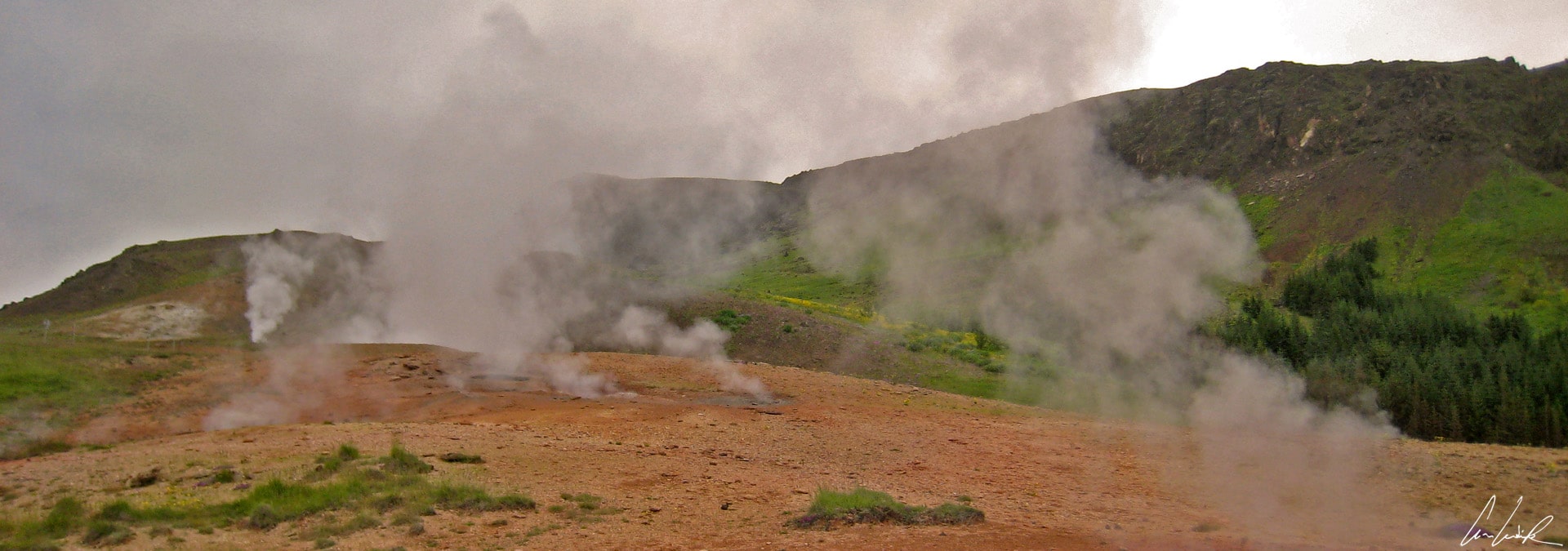 Iceland
Best will be the fall…
First, let’s set the background! Iceland is a Nordic island country of 39,699 square miles near the North Pole. It opens to the inside of the Earth, and the Sun does not set during the summer… The grandiose and deserted landscape is crisscrossed by rivers and streams. Iceland, with a population of 332,529, is the…
36 9 min read
Page 1 of 2
Frequently asked questions about traveling in Europe
Europe is the continent where the gaps are shortest: three hours of flying separate the levadas of Madeira from the arctic nights of Lapland. Six countries and thirteen French regions share this page, and the questions below help you decide between them.
Which European countries change the scenery most?
Six, from arctic Finland to the Portuguese Atlantic. Lapland and Iceland hold the cold side, and the far north begins in my Lapland travel stories. Scotland occupies the middle, France is read region by region, Italy narrows down to the Dolomites, listed by Unesco in June 2009, and Madeira closes the set in the west. Its levada network runs past 2,150 kilometres. This is not a ranking. It is a map of possible departures, to be sorted by season and by mood. One thing strikes me when I reread them: what stays is almost always the ordinary detail, a stone, a path, a neighbourhood market. The north Atlantic waits in my Icelandic notebooks.
Where can you hike in Madeira without being fit?
Along the levadas, with almost no climbing. These irrigation channels have been cut since the early fifteenth century by convicts and slaves lowered in wicker baskets, and the network now runs past 2,150 kilometres, part of which I follow in these walks along the waterways. You walk the levadeiro path, the one used by the worker who clears branches and leaves, and the gradient stays close to nothing for hours. One detail stayed with me: water is paid for in hours of open valve, under a law dating from the middle of the nineteenth century, so that when the flow drops everyone is affected and nobody is short-changed. The best window runs from April to June. The island as a whole is in my Madeira travel stays.
What is the capital of Madeira and what can you see?
Funchal, on the southern coast of the island. I started at the Farmers’ Market, with its flower sellers in traditional dress, its custard apples and passion fruit, the first stop of the capital of the island of flowers. You also find the espada there, the black scabbardfish, caught down to 1,600 metres and served filleted because of its teeth. Then comes Rua Santa Maria and its street art, and the azulejos. The botanical garden lines up 2,000 exotic plants, and a glass of poncha, cane spirit with honey and lemon, closes the walk. Seventeen kilometres away, the Cabo Girão cliff drops between 560 and 589 metres, one of the highest in Europe. The rest of the archipelago is in Madeira beyond its capital.
What should you see in the Dolomites on a first trip?
The Alpe di Siusi, the Sassolungo and the Marmolada. The first is presented as the largest high-altitude pasture in Europe, 57 square kilometres at an average of 1,850 metres; the second reaches 3,181 metres and lines up about ten peaks; the third, nicknamed Queen of the Dolomites, climbs to 3,343 metres, and all of it fills a life-size work of art. I stayed at Canazei, at 1,465 metres. This range formed roughly 250 million years ago from a mass of shells, coral and algae. The Dolomites then became a front of the Great War, between 1914 and 1918. Ladin is still spoken here, and RAI broadcasts four and a half hours of it each week. The rest of the country is in my Italian travel stories.
What can you do in Scotland in one week of driving?
Edinburgh, then the Highlands, then Skye. Edinburgh has been the capital since the fifteenth century, and I walked its old town, that tight maze of passages, steps and vaults, looking for television locations I never managed to find. At Stirling Castle they practised Flyting, those lyrical duels between poets, from the fifteenth to the seventeenth century. Further north, the Highlands hold fewer than ten inhabitants per square kilometre and the densest sheep population in the country, which is where the discovery of the Highlands runs. On Skye, the Old Man of Storr stands some fifty metres tall, the Kilt Rock Falls drop straight into the sea, and the Neist Point lighthouse dates from 1907. Watch out for midges. The country is in Scotland in one week of driving.
What are the chances of spotting the Loch Ness monster?
I did not see it, and I looked. The legend goes back to the sixth century, which gives it a decent pedigree, and the ruins of Urquhart Castle stand guard at the water’s edge, the setting of this search for Nessie. Inverness Castle, by contrast, is nothing like a keep: it is an administrative building that houses the sheriff court. In Scotland every stretch of inland water is called a loch, including Loch Carron, which is in fact a fjord more than a hundred metres deep with a sea passage under twenty metres. Further west, Applecross counts 238 inhabitants at the end of one of the steepest roads in the country. The earlier legs follow the roads across the Isle of Skye.
Do you have to travel far to feel like a traveller?
No, and France alone holds thirteen regions here. The French stories are filed region by region, from Auvergne-Rhône-Alpes to Normandy, by way of Brittany, Corsica, Occitanie, Nouvelle-Aquitaine and Provence-Alpes-Côte d’Azur. This is the closest part, and the least obvious. We think we know the place, so we look at it badly. Normandy served as my test bed, with its seaside resorts, its harbours and its cliffs, and that odd coexistence of memory and gentleness inside a single landscape, which I tried to untangle in a Normandy between war and peace. In the end the change of scene owes less to distance than to attention. The regional map is in my journeys across France.
European countries and regions explored: must-see landscapes, culture and travel inspiration
France: Nature, Heritage and Landscapes of the Hexagon

France, also known as the Hexagon because of its geometric shape, is a country with a thousand facets. If Paris sets the tone, everyone has long known that Paris is not all of France. Each region has its own specialties and character, enough to delight every kind of traveler. Lagoons, waterfalls, canyons, glaciers: France concentrates an astonishing range of extraordinary landscapes. You could almost believe you were in the great American parks, in the African savanna or in a tropical forest, and yet… this is France. From the cliffs of Étretat to the ochers of Roussillon, from the purple gorges of the Cians and Daluis to the Pénitents des Mées, France’s natural heritage holds unexpected richness. As for its architectural and religious heritage, France is undoubtedly one of the European countries that has preserved it best. To continue this journey through the natural Hexagon, from the cliffs of Étretat to volcanic reliefs, let yourself be guided toward the France travel stories, between regions, heritage and unexpected landscapes.
Iceland: Fire, Ice and Volcanic Landscapes

No country in Europe offers as many spectacular landscapes as Iceland. Located in the middle of the Atlantic Ocean, this volcanic island moves between fire and ice. This piece of land, geologically among the youngest on the planet, is constantly changing. Nature here is both fascinating and inhospitable. Volcanoes and glaciers coexist in a strange harmony, punctuated by frequent eruptions. Icelandic glaciers impress through their history — Snæfellsjökull inspired Jules Verne’s Journey to the Center of the Earth — and through their size, as Vatnajökull is the largest glacier in Europe. Iceland surprises and enchants travelers wandering through nature in full effervescence: rivers and waterfalls rushing down from the mountains, boiling mud pots, solfataras and multicolored mountains. But its inhabitants should not be forgotten: two thirds live in the Reykjavik region and remain attached to ancient traditions. On this Nordic island, legends and beliefs in the “hidden people” — elves, trolls, fairies and other small beings — are still very real for many locals. To prolong this feeling of a living island, head toward the Iceland travel stories, between fire, ice and volcanic landscapes.
Italy: Dolce Vita, Dolomites and Landscapes of Art

Does an escape to the land of “Dolce Vita” tempt you? Whether you are passionate about history, a nature lover or a gourmet traveler, Italy can only seduce you: cultural walks in the footsteps of the great Renaissance artists in Florence and Rome; hikes in the Cinque Terre or through the grandiose landscapes of the Dolomites, listed as a UNESCO World Heritage Site; gourmet excursions through splendid regions producing wine, cheese and other delicacies… Italy is full of magnificent landscapes, spectacular coastlines, imposing mountains, gentle hills and unique monuments born from genius. So don’t wait: immediate boarding to savor the sweetness of life on the Italian peninsula. Andiamo! To enjoy the Dolce Vita differently, from art cities to alpine reliefs, head to the Italy travel stories, between the Dolomites, Cinque Terre and landscapes of art.
Lapland: Far North, Northern Lights and Sámi Culture

Lapland, land of Santa Claus and reindeer, ancestral homeland of the Sámi people, is a place of enchantment. This region of northern Europe stretches across several countries: northern Norway, northern Sweden, northern Finland and the Kola Peninsula in Russia. The nature of the Far North, unique in its kind, has always nourished travelers’ dreams: sumptuous winter landscapes, the unfathomable mystery of the Northern Lights and the Midnight Sun, large lakes scattered with thousands of islands, and the breathtaking beauty of the fjords. This magnificent yet harsh environment has shaped the mindset of the people who live there, fostering a deep affinity with their natural surroundings. To reach the Far North, the reindeer and Sámi culture, let yourself be carried toward the Lapland travel stories, between Northern Lights, Sápmi and white immensities.
Madeira: Island of Flowers, Levadas and Atlantic Gardens

Combining the charm of the mountains with tropical softness, Madeira has something to delight every traveler. Its mild climate all year round and its extraordinary abundance of flowers have earned it the nickname “island of flowers of the Atlantic”. These lands of volcanic origin, ideally placed on the routes of the great navigations, were coveted for centuries. Its past will delight art and history lovers: don’t miss the baroque churches and the quintas, Madeiran houses from the 17th and 18th centuries, in Funchal. And for nature lovers, the choice is yours: hike through lush forests along the levadas, those traditional irrigation canals; reach for the sky from the top of a pico; breathe in the scent of flowers in the botanical gardens of Funchal; rest on the golden sand of Porto Santo; or admire steep cliffs such as Cabo Girão. To walk along the levadas, from the gardens of Funchal to the cliffs of Cabo Girão, continue toward the Madeira travel stories, between the island of flowers, picos and the Atlantic.
Scotland: Highlands, Isle of Skye and Lands of Legend

Scotland is far more than tartans and kilts. Among Europe’s leading destinations for biodiversity, it is one of the wildest places in Europe: its forests and trees are magnificent, and its lochs, moors and waterways have a beauty all their own. Scotland stretches from the rolling hills of the Scottish Borders in the south, a natural boundary with England, to the majestic, lonely peaks and valleys of the Highlands in the north. Offshore lie wild archipelagos battered by the wind: the Shetlands, the Hebrides and the Orkney Islands. There is so much to see in Scotland: its atmosphere is unique, so different from the rest of Europe that for many travelers it becomes a true escape. Scotland is also a land of history, myths and legends, with splendid castles standing as witnesses. Be careful: some of them are said to be haunted! The lives of some of its historical figures have inspired stories that still resonate around the world: Mary, Queen of Scots, William Wallace and Robert the Bruce, to name just a few. To follow the traces of the Highlands, lochs and wind-battered islands, continue with the Scotland travel stories, from the Highlands to the Isle of Skye and lands of legend.

Europe is the place where I keep relearning the joy of seeing. It is a continent where inspiration can be found almost anywhere: in the quiet beauty of a village square at sunrise, in the weathered stones of an ancient abbey, in the soft light falling across a mountain valley or in the sound of waves breaking against a lonely lighthouse.
What fascinates me most is the way history, culture and nature intertwine. Every castle, winding street, mountain trail and coastal landscape carries traces of the past and stories waiting to be told.
Europe has taught me that travel is not measured in miles but in moments. Through photography, I have learned to slow down, to notice details and to appreciate the subtle beauty of ordinary places.
With camera in hand, I invite you to explore the landscapes, heritage and atmospheres that have shaped my journeys across Europe and inspired many of the stories shared on this blog.
Every journey is far more than a destination. It is a collection of encounters, light and emotions that I am delighted to share through my photographs and travel stories.
Lire en français


Travel by Theme