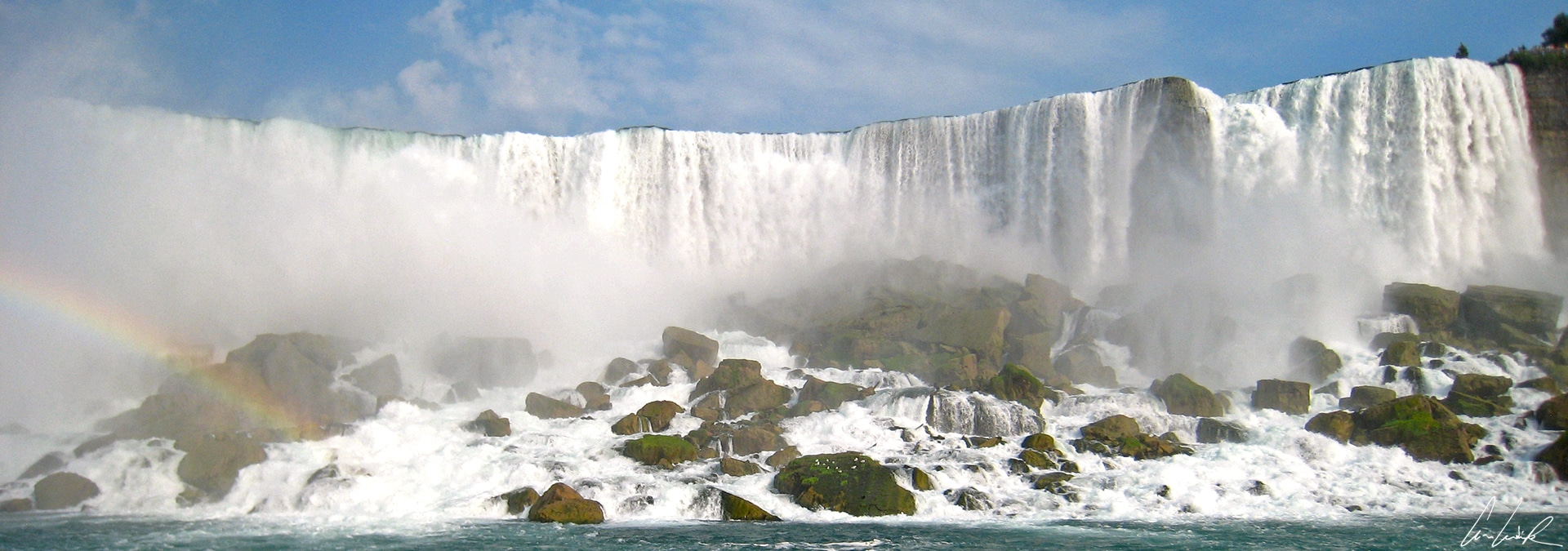
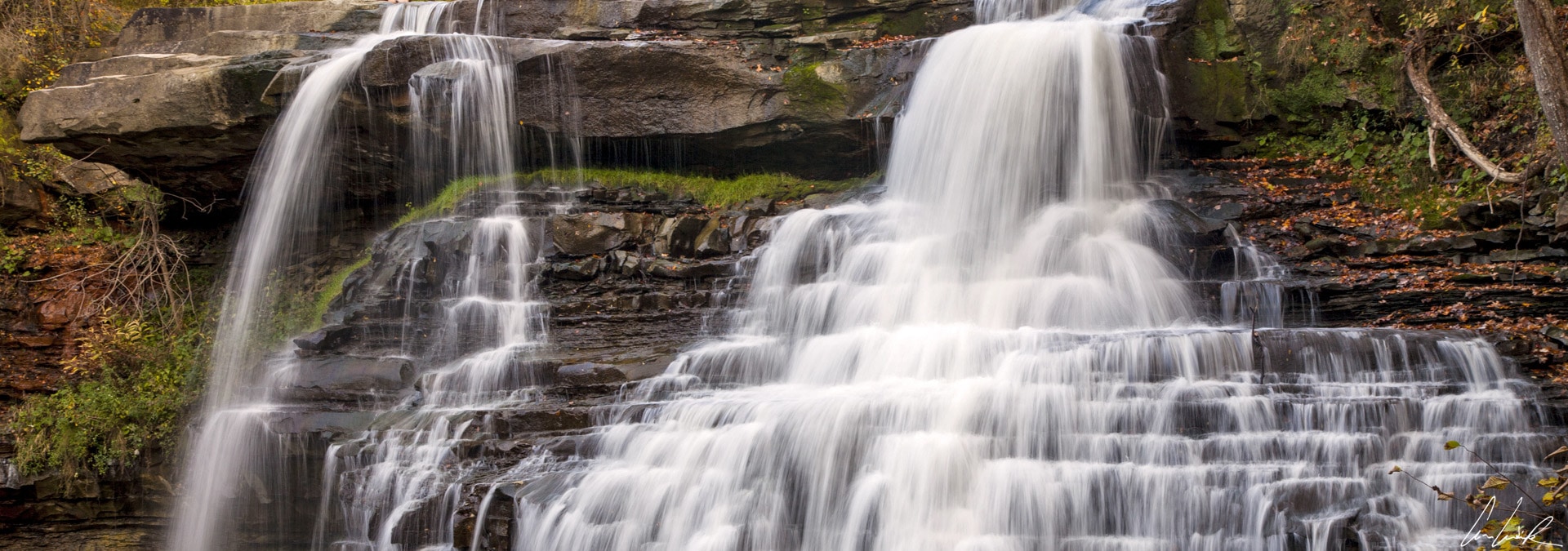
Fall colors in the Great Lakes Region
Nature Lovers will like the open spaces, dense forests and stunning sunsets of the Great Lakes region. The area is suitable for sporting and nature-oriented holidays. The Great Lakes are a series of interconnected freshwater lakes along the Canada-United States border...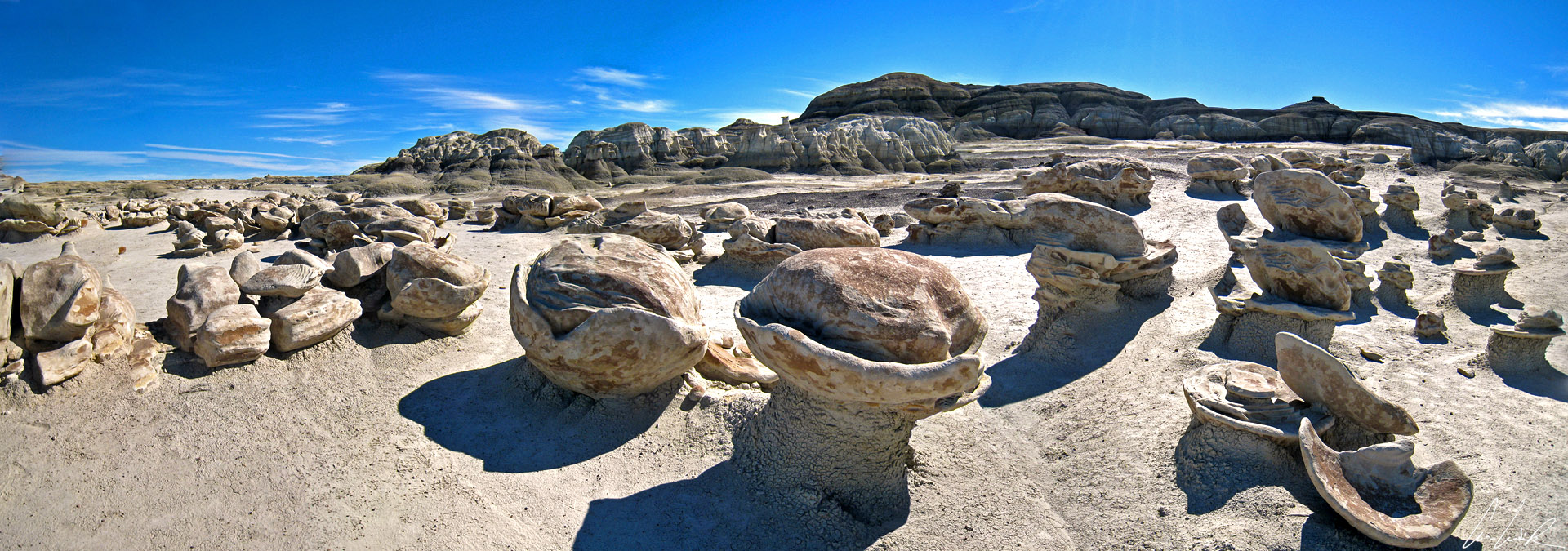
Man vs. Wild…
If you like moonlike landscapes and seek loneliness… look no further. Bisti Wilderness is the place for you! Are you ready for a “Man vs. Wild” but without Edward Michael “Bear” Grylls to accompany you ? Off State Highway 371 at Road 7297, about 35 miles south of...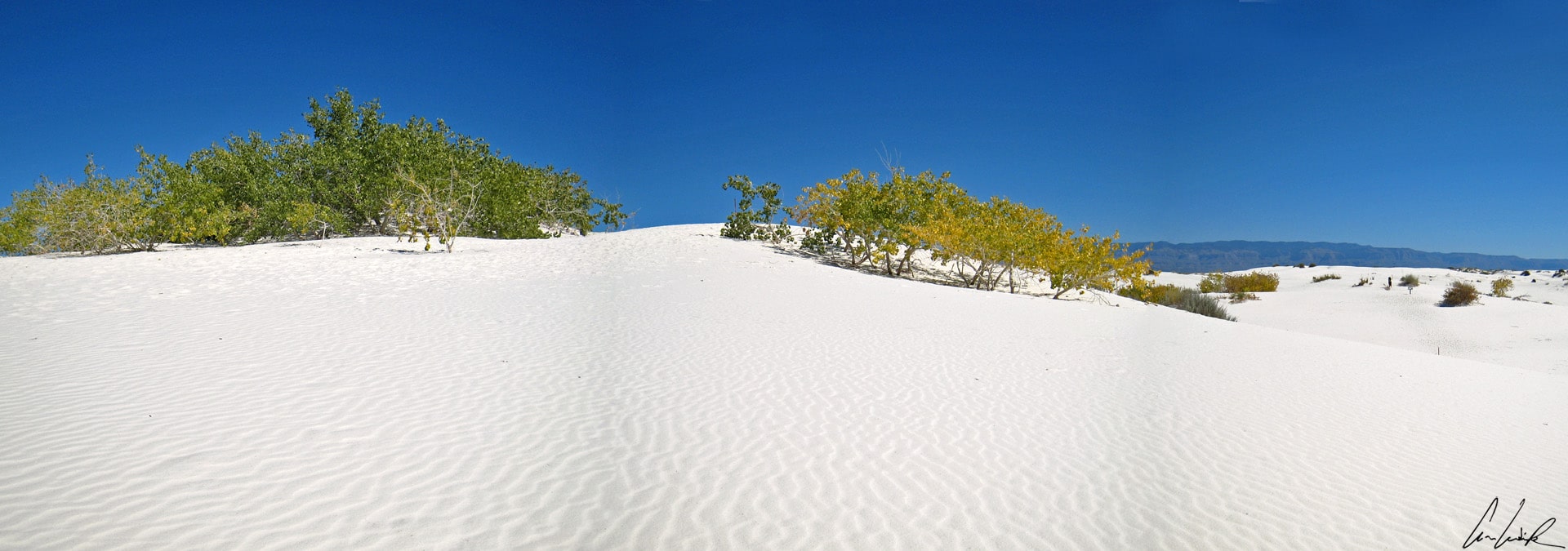
New Mexico: Land of Enchantment
New Mexico is trapped between the “Great” Arizona, the “Friendship” Texas and south of the “Centennial” Colorado. New Mexico, one of the southwestern States is often left out by tourists visiting the western United States. It is a pity because New Mexico is total !...
New Orleans: Let’s Get Together And Swing !
The lyrics of Les Acadiens by French singer Michel Fugain (Les Acadiens) run through my mind, “Y a dans le sud de la Louisiane / Et dans un coin du Canada / Des tas de gars, des tas de femmes / Qui chantent dans la même langue que toi. Tous les Acadiens, toutes les...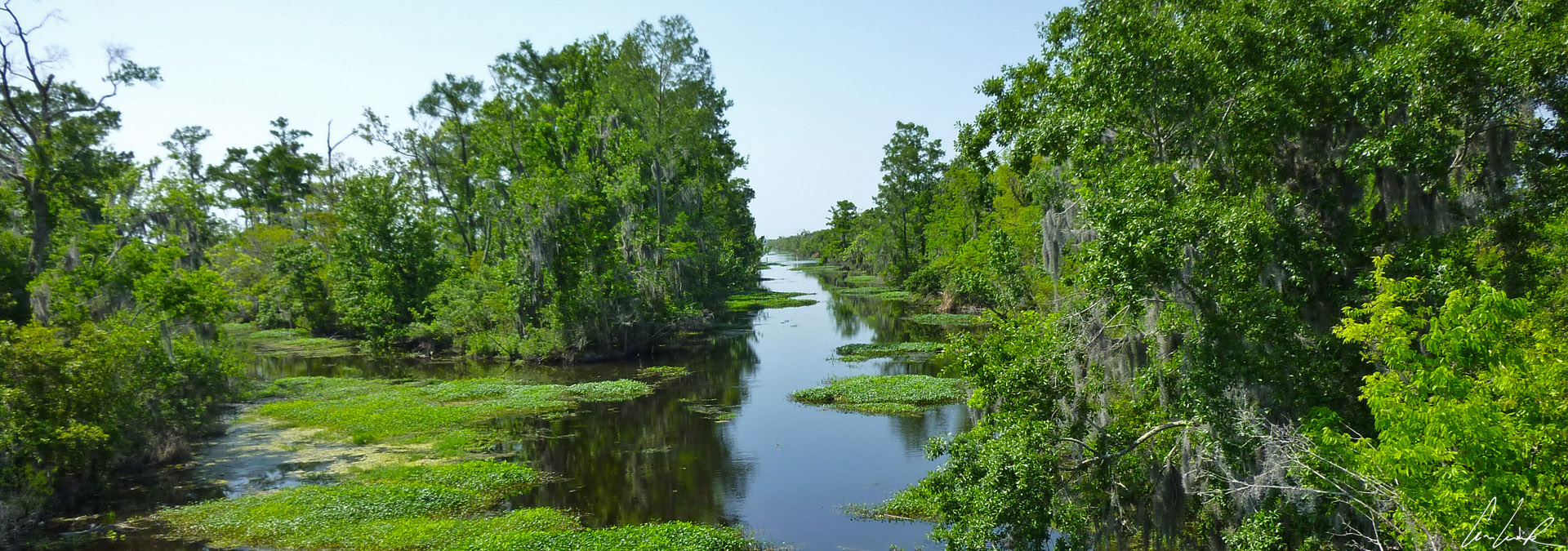
Louisiana’s Cajun Country…
As seen from the air, the blue and green reflection of the sun in the Mississippi River creates a strange effect… Water is everywhere, between the ocean, the river and Lake Pontchartrain ! The roads are suspended above the water on pillars and the vegetation has its...
The New World
Mmmmmmm … (etc) / In noreni per ipe / in noreni Cora / tira mine per ito / ne domina, with the music of Vangelis in mind I step into the New World ! Here I am in the footsteps of Christopher Columbus, on my way to The Conquest of Paradise. But am I already there? The...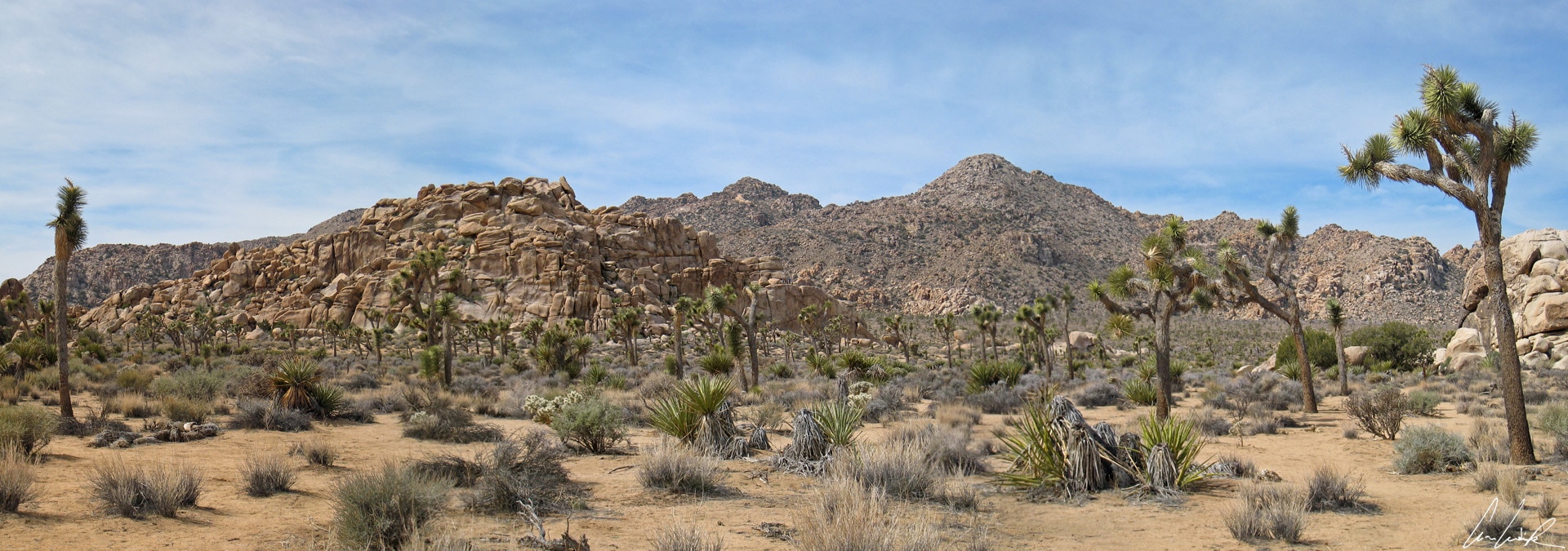
I visited Joshua Tree, U2
Enough of the city, cars and crowds! We head East. The city disappears slowly and gradually, houses become sparser and the land bare before giving way to vast stretches of sand and Rocky Mountains. Finally, the first wind turbines announce that Palm Springs is near....
A taste of India
Namaste, The Taj Mahal, an ivory-white marble mausoleum on the South bank of Yamura River in Agra, is the most admired and photographed edifice in India. The building was and remains the most perfect ever built by man. It was commissioned in 1632 by Emperor Shah Jahan...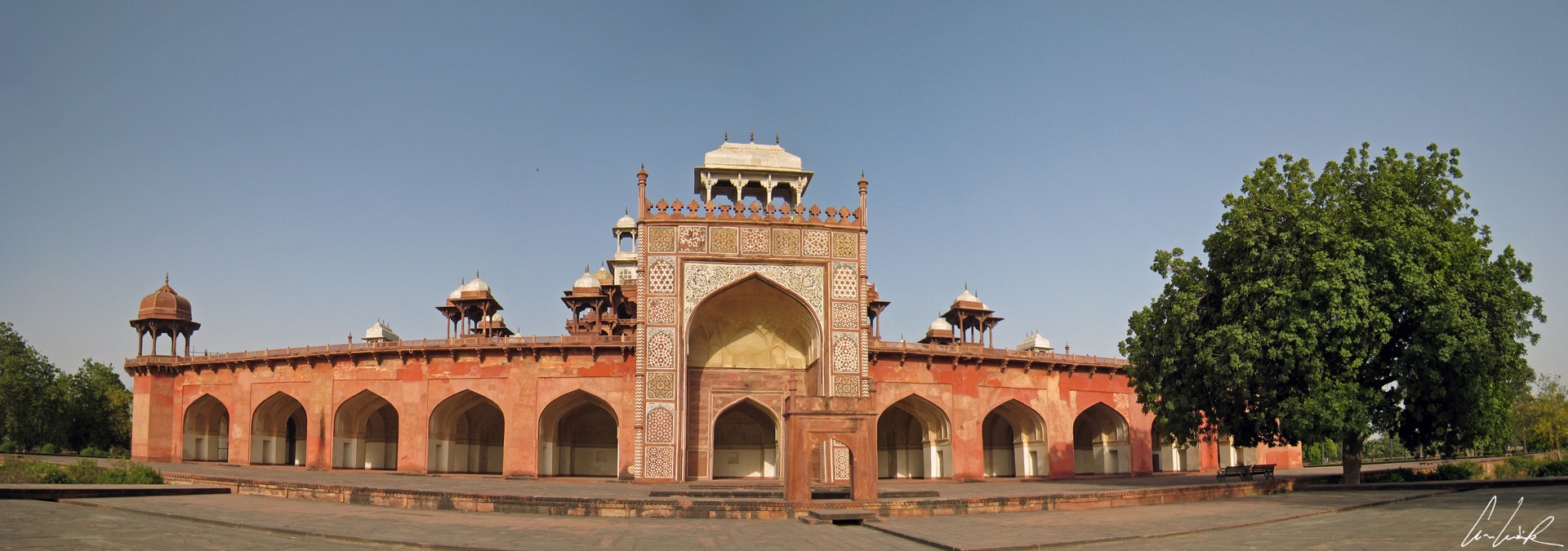
Fast and Furious
Namaste, I left the airport in New Delhi at 1.30 am local time… All my senses are immediately overwhelmed with smells, colors, and sounds… the heat is still overwhelming: it is still 100 ° F (currently the temperatures hit 116 ° F during the day – in the shade of...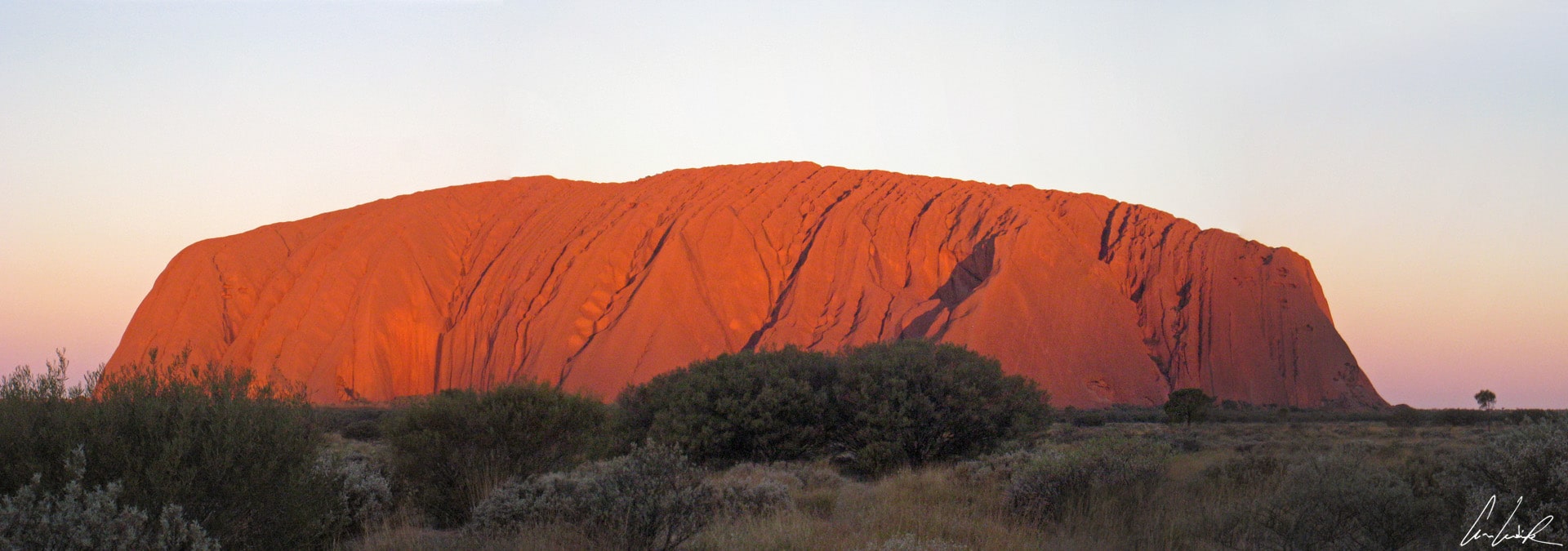
Journey to the Red Center of Australia
G’day mates, There you are, the red sandy plain of the heart of Australia. Aborigines call the red sandstone formations “Uluru” and “Kata Tjuta” and white people Ayers Rock and The Olgas. These sandstone monoliths were discovered by the first Europeans expedition...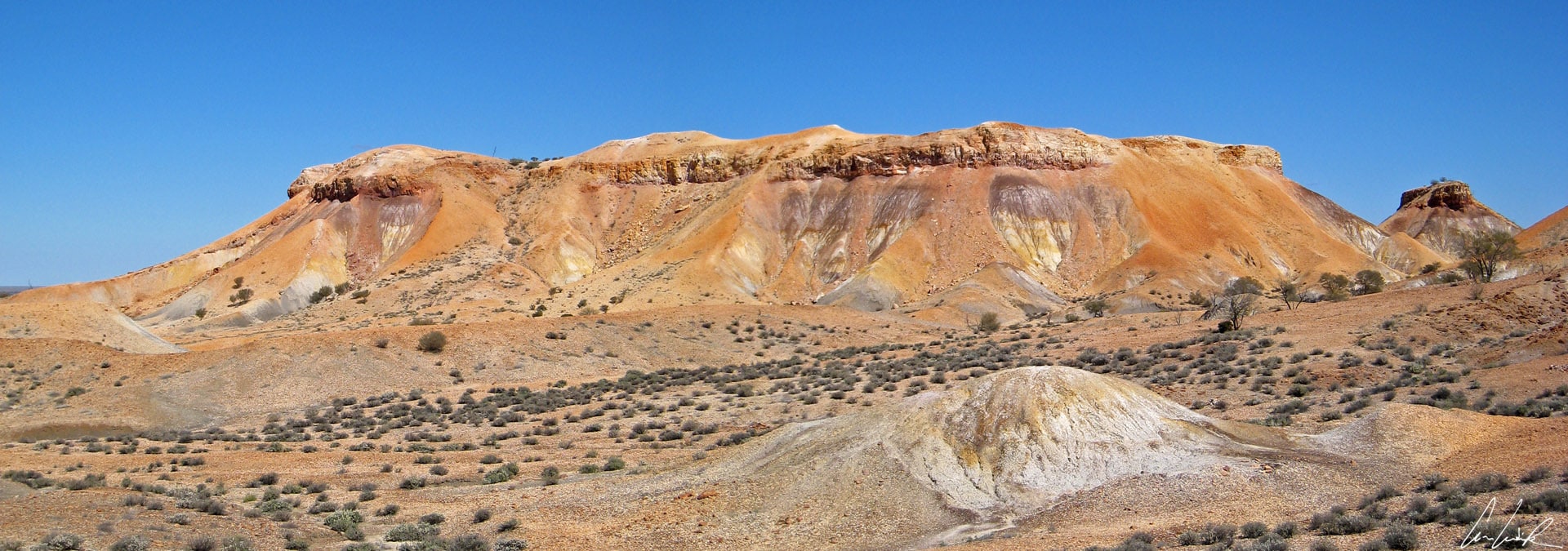
When You’re in the Desert For Too Long…
G’day mates, We left behind the Flinders with its spectacular landscapes and rich wildlife to follow the legendary Oodnadatta Track into the full, red heart of Australia where there are no humans for hundreds of miles in any direction. The Oodnadatta Track follows the...
And no-one goes outback that’s that
G’day mates, Our discovery of the Kimberley region ends at Kununurra in far Northern Western Australia about 1,380 miles from Perth. Kununurra is a quiet town nestled in the heart of an oasis of tropical fruit plantations where wallabies wander and surrounded by...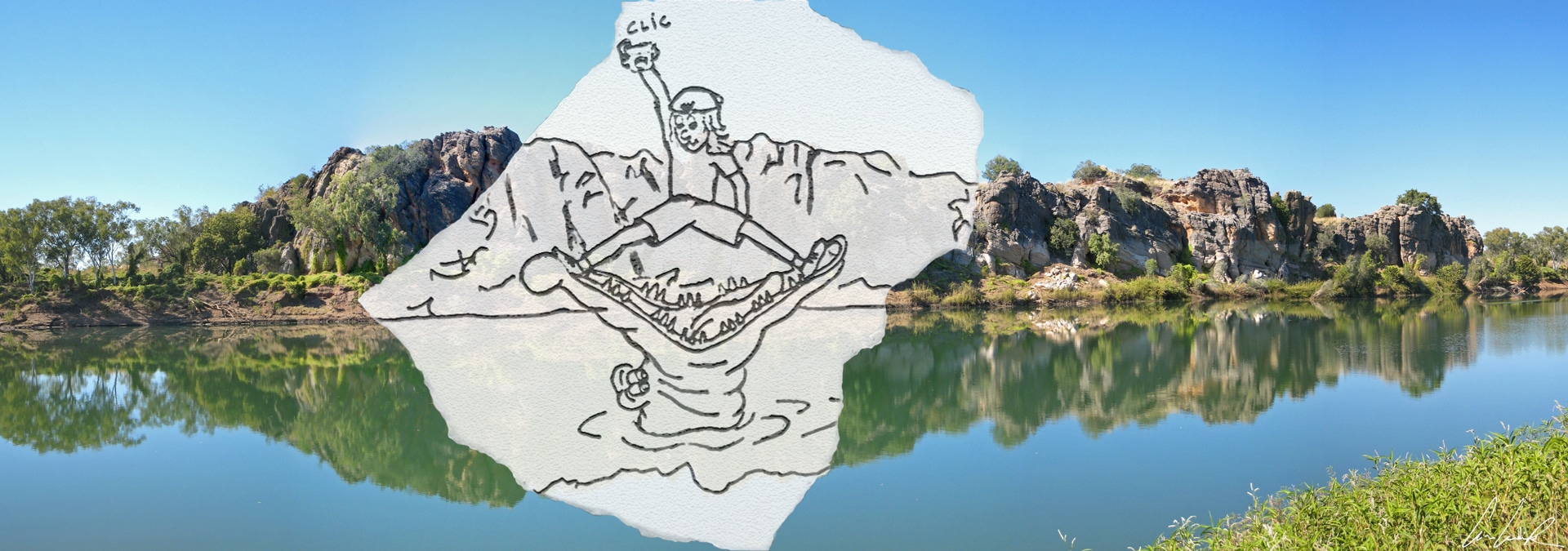
Crocodile Dundee
Oz, Oz-ons, Oz-ez, The Kimberley, situated in the Northwestern part of Western Australia, is known for its wilderness. It is one of the nine regions of Australia and bordered on the west by the Indian Ocean, on the North by the Timor Sea and on the South by the Great...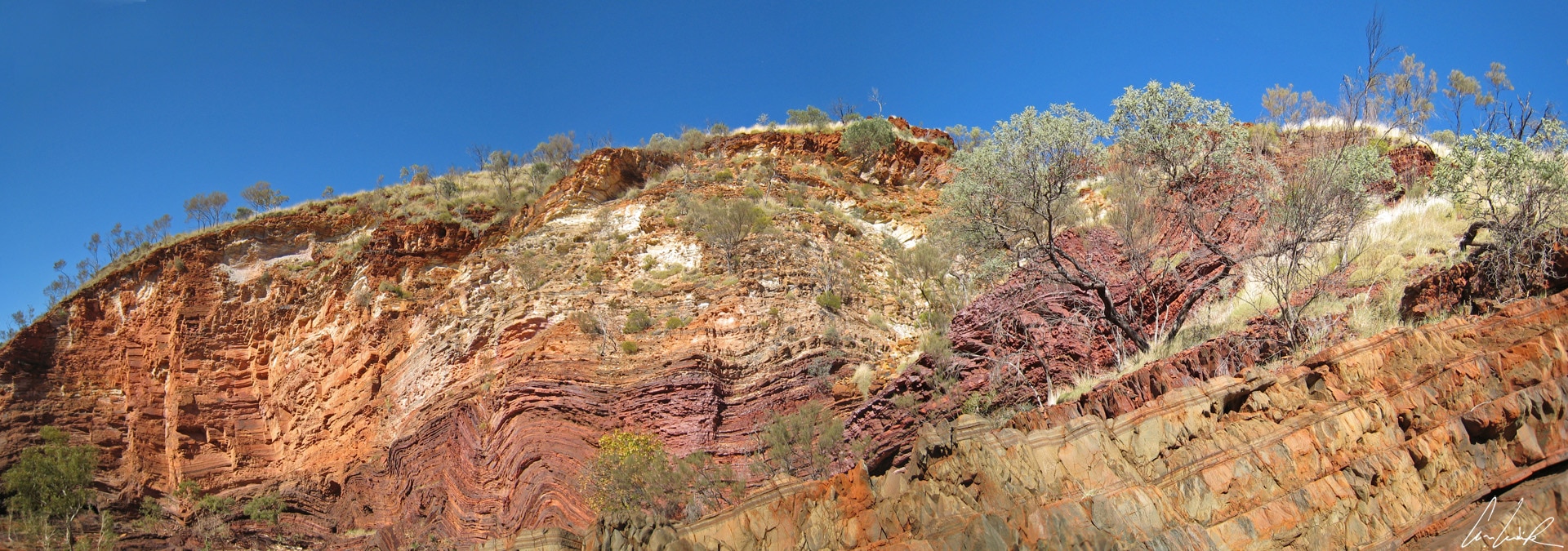
Back o’ Bourke
Crikey ! The further North, the warmer it gets… Is it a hallucination due to heat? A red kangaroo is calmly watching us. We wonder who’s looking at whom, each a curiosity for the other. A little further away, a Capricorn is taking it easy in the tropical sun ! Well,...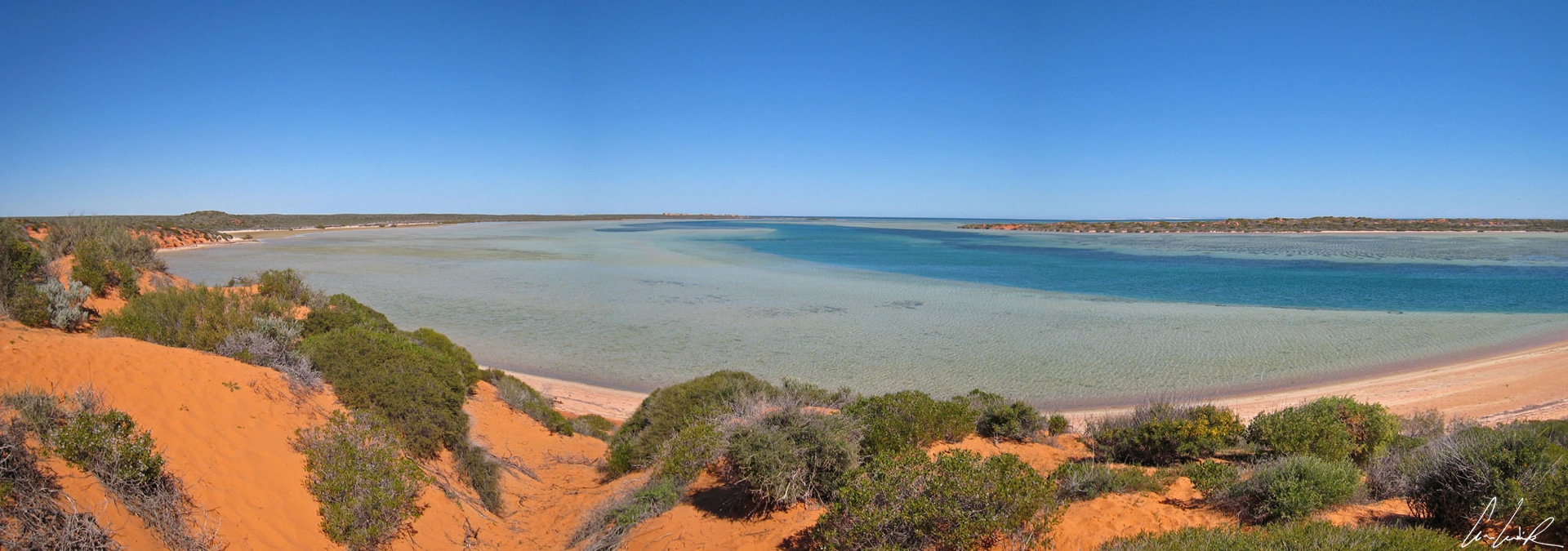
I dream of water, but of ocean…
G’day, After leaving the Pinnacles Desert and its extraordinary rock formations we continue our journey North, following the Indian Ocean and its beautiful beaches interspersed with fishing villages – Being happy over / Being on a boat / I dream of water / But of...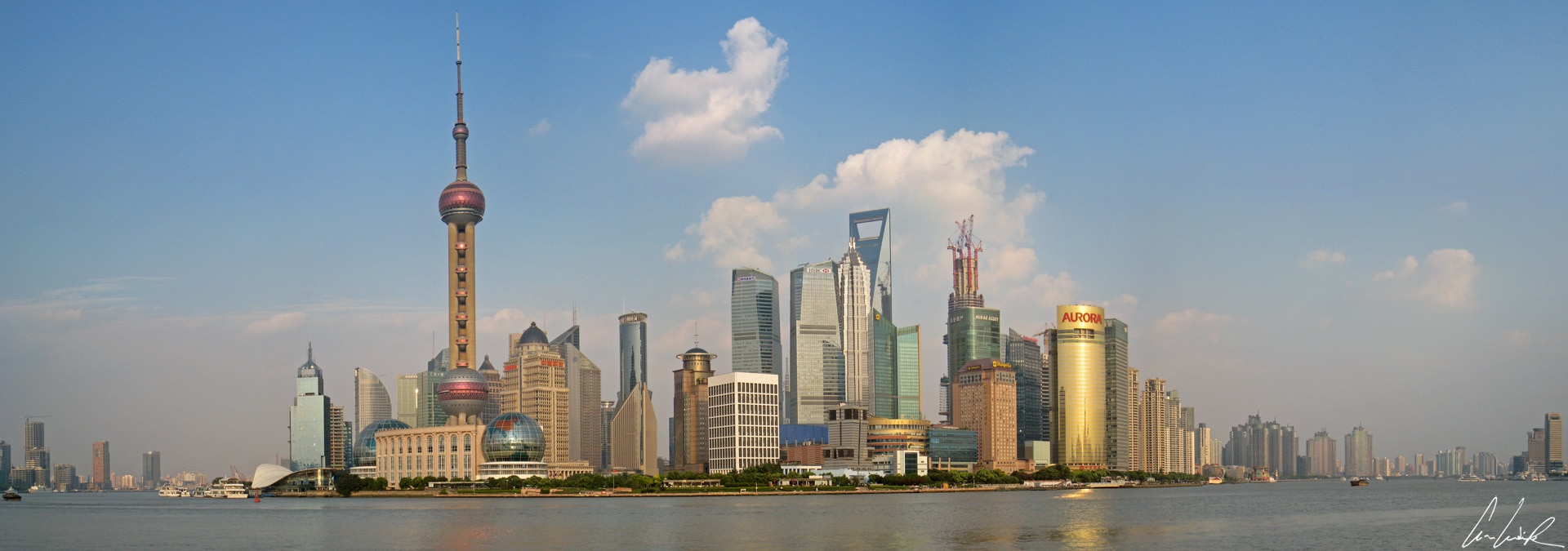
The Blue Lotus
您好 (ni hao), You have surely recognized (or not) the reference to the adventures of Tintin, the comics series by the Belgian cartoonist Hergé… I’ll let you guess the stopover? Come on, make a small cultural effort. I’ll give you another hint: it is the city where...
N… as New Start
Lake Powell has many more treasures, some of them easily accessible. Horseshoe Bend is a beautiful horseshoe-shaped meander of the Colorado River. The contrast between the emerald green of the Colorado River, which flows 340 meters below, and orange cliffs above is...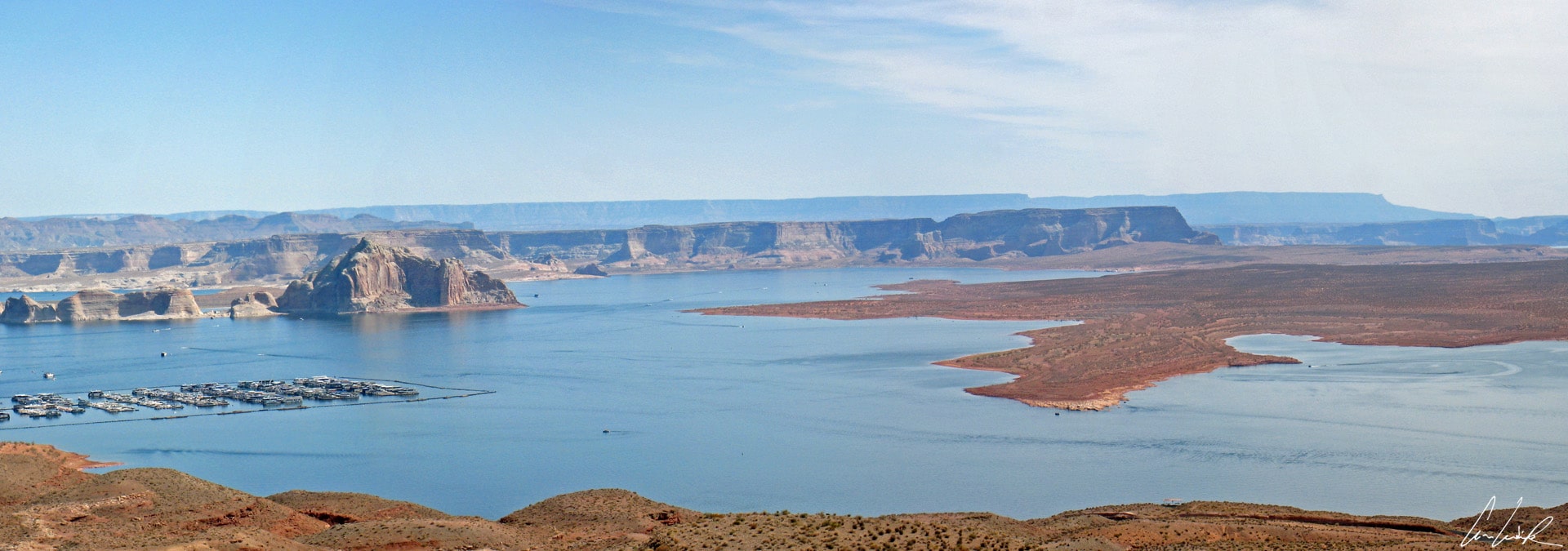
N as… No man’s land
We cannot leave this charming corner of Utah without a visit to Bryce Canyon National Park in Southwestern Utah (a State of Western USA). Bryce Canyon was named for Ebenezer Bryce, who settled below the Bryce Canyon Antitheater. He built a road to the plateau in the...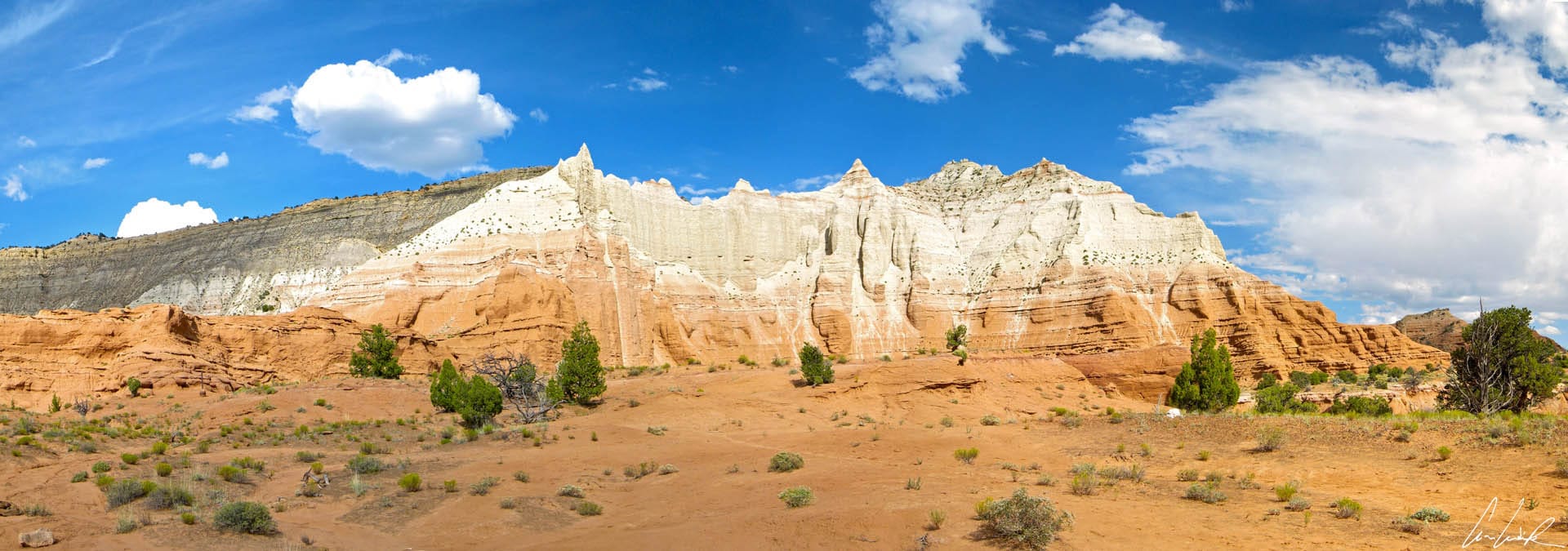
N as in… Nuances
Yà’àt’héé, After watching the changing shapes of clouds reflected in the water at Vermillon Cliffs National Monument in Arizona (a State of Western USA), just south of the Utah state line, we decided to maintain this contemplative pace and observe the various shades...
N as in… Nowhere else
In this article we offer a “rendez-vous” for Nowhere else, a real treat. Let’s start with a miniature Sahara, the Coral Sand Dunes State Park, which presents a nice specter of pink and orange hued sand dunes, surrounded by red sandstone cliffs. Coral Sand Dunes State...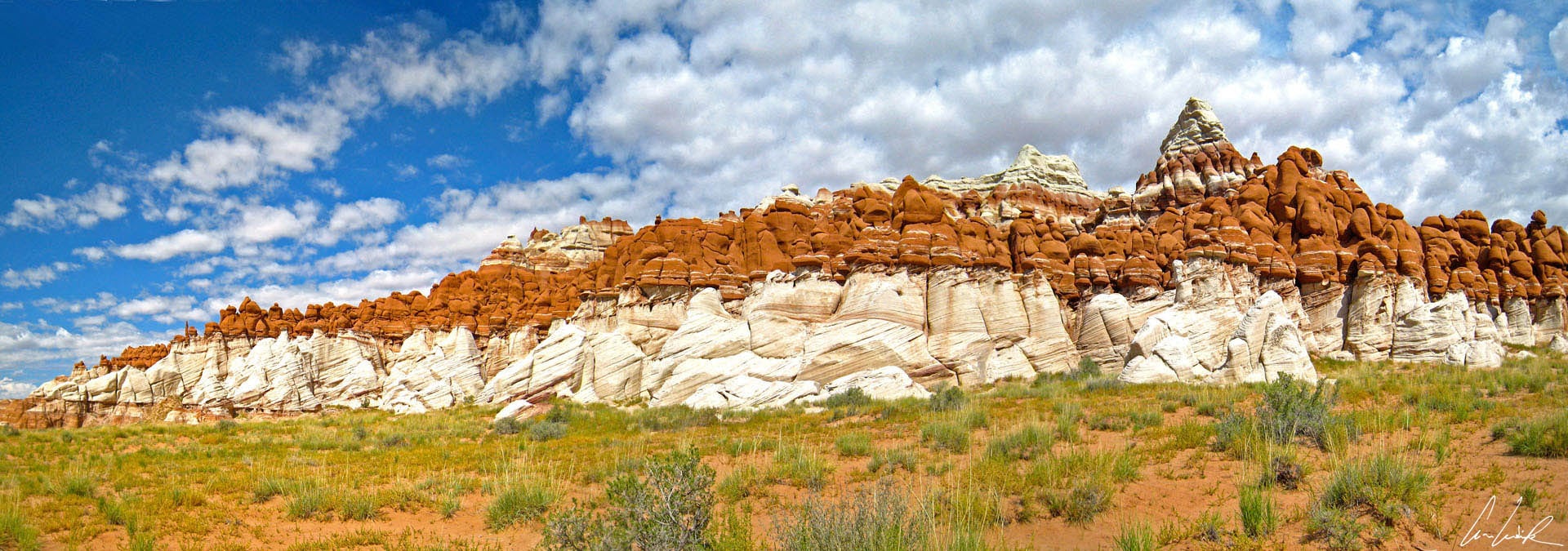
N as in… Nature
Lolma … uh, hello Mrs. Hopi Coyote Um hinhinta ?… We are doing well, thank you (Pi nu ‘qahinta) Here we go again… “We dreamed about another land/ that remains a mystery” (Téléphone – Je rêvais d’un autre monde, again)… this time, I think we landed in the right place!...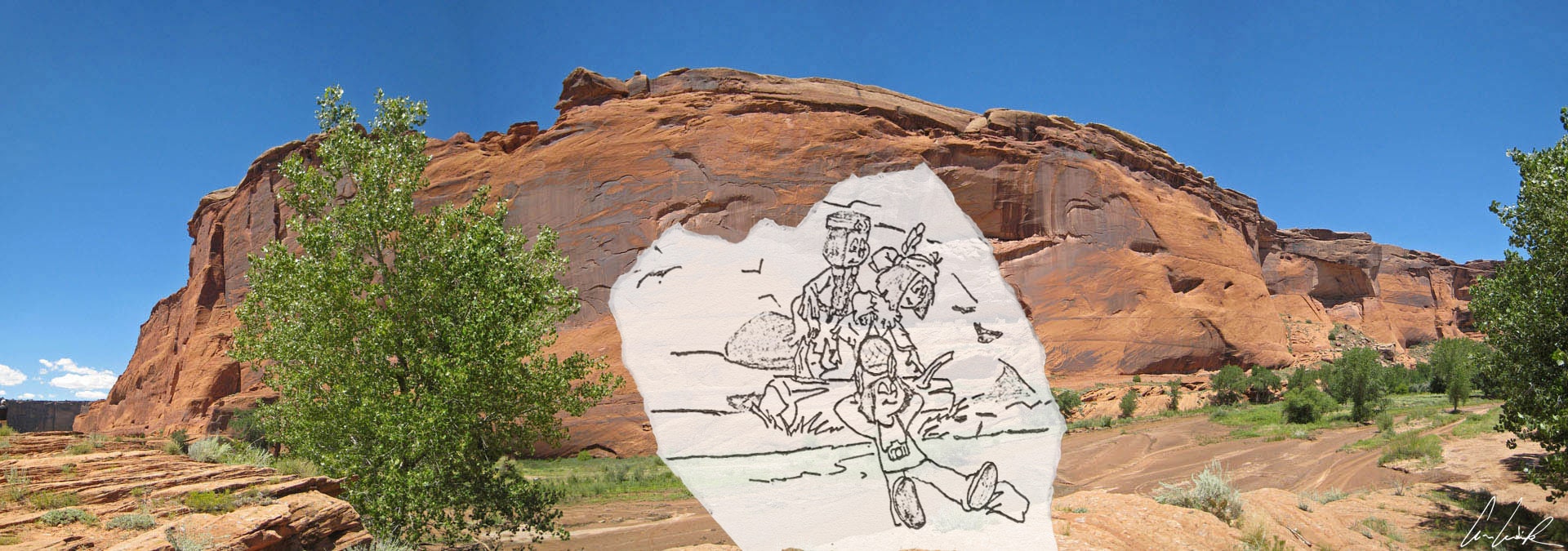
N as in… Navajo
Here, I do not thank Quinn Mallory who did not respect the time limits.. Now, we are in a parallel world where language and culture are totally foreign to us… Yá’át’ééh … hello, how are you. Háadish nits’éé’ łee’ Sita?… Where are you from? we are from France!...
N as in… New Age
Good morning, Arizona! Welcome to “The Grand Canyon State” or Hooo Hahoodzo in Navajo! Arizona is located in the Southwestern United States. Along with Utah, New Mexico, and Colorado it is one of the Four Corners states. Arizona is home to the Grand Canyon, but there...
From terra firma to the land of the dzos
Namaste, Breathing the scents of Asia, exploring a region of the world where the mountains flirt with the sky… Are you ready to explore a country where the earth greets the sky and where the blue azure of the heavens blends perfectly with the highest mountain peaks of...
The garden city and its magic lanterns
Sated with futuristic buildings, we find another side of Singapore when walking down the streets of its ethnic neighborhoods. Arab Street, a small shopping street, is a labyrinth of colorful houses, bustling day and night and quite near the must-see Sultan Mosque with...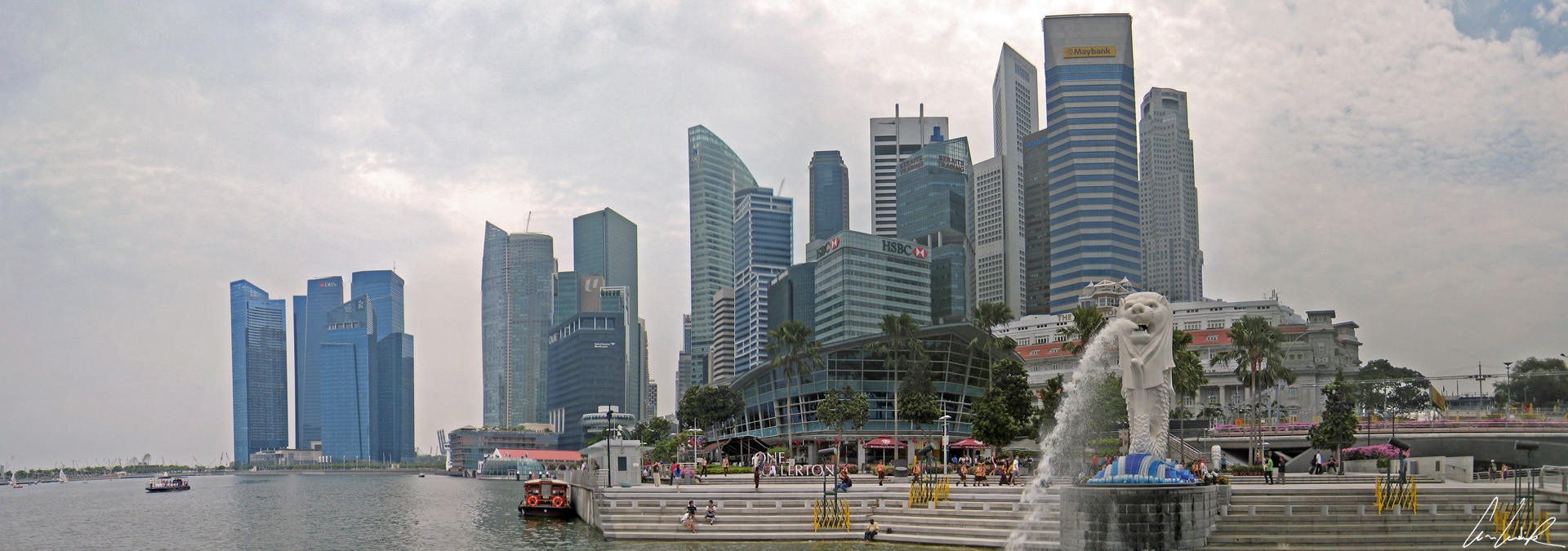
On the narrow streets of Singapore…
Ladies and gentlemen, Let’s explore a city, a country, and an island by visiting only one place: Singapore, located off the coast of Southern Malasia. The Asian city-state known as “The Garden City” is a global commercial, financial and transportation hub with tall...About
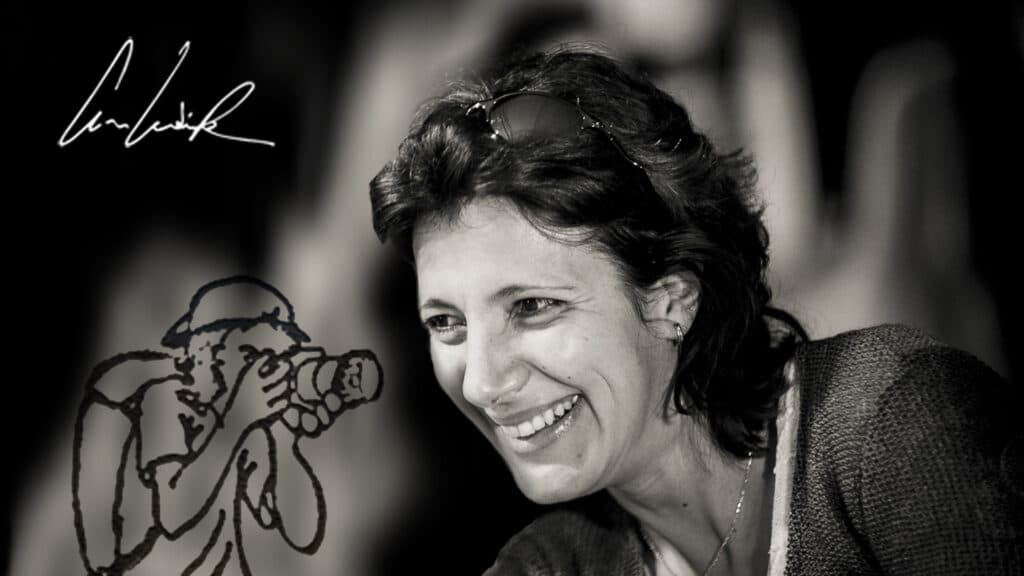
Hi ! My name is C-Ludik and I’m the person who runs this creative space. Welcome to ‘Tween here and there, a travel blog that shares awesome destinations, stunning photographs and captivating travel stories from around the world. No two landscapes are ever the same because of a different light, different conditions… whether it's a new or an old place. That’s what I love about nature and landscape photography. As the famous Ibn Battuta traveler said: « traveling – it leaves you speechless then turns you into a storyteller ». He’s right ! Behind the photographer, I see myself more as a storyteller. When I arrive on a place, I try to respond to what I see and tell the story of the land. If you love travel, exploring new places, and seeing more of this beautiful world then you'll be right at home here. ‘Tween here and there is the travel inspiration for those with full-time jobs and for those in search of any off-the-beaten track destinations around the world, near and far.